Best Time for Wildlife in
Okavango Delta
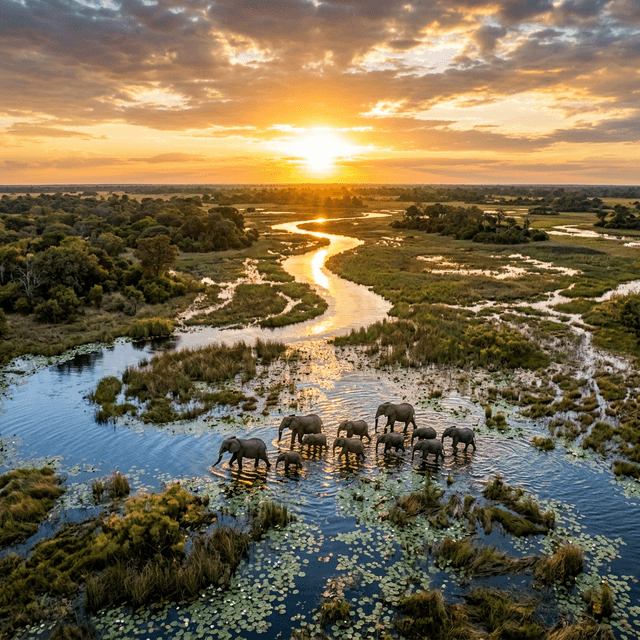
Okavango Delta scores 92/100 on the Wildlife Encounter Index in Jul, driven by African Elephant sightings.
Best window for wildlife: Jun–Aug. ParksCore composite score: 78/100.
Flood pulse, not month — mokoro channels and island camps rewrite the game plan.
Country
botswanaRegion
ngamiland
Total Area
~22,000 km² (seasonal)
Status
Protected Area System
Primary Focus
Big Five
Peak month
Jul
Best Season
Jun–Aug
Sources
Sources not yet checked against our source standard
When is the best time to visit Okavango Delta for wildlife?
The best time to visit Okavango Delta is Jun–Aug — peak WEI score 92/100 in Jul.
The Okavango Delta is a seasonal inland wetland where Angolan floodwaters usually arrive from May and reshape wildlife across channels, lagoons, and island fringes. Water level, concession, and camp sector matter more than a calendar month: May-August often brings the strongest channel water, July marks the core flood pulse, and September-October usually favours land drives as pools contract. Elephant, hippo, lion, and leopard can all shine, but access remains fly-in and mode-dependent. Boat and mokoro options depend on current water stage, and examples such as Duba, Moremi, and Selinda are route cues rather than broad park promises. Scores describe probability, not promises.
Oct Score
high Rating
Probability Breakdown
Deep Context
“October is the classic land-drive window: shrinking pools concentrate elephant, buffalo, and predators on Duba and Khwai floodplain remnants. Mokoro access contracts in many sectors; WEI ~75.9 reflects receding-water logic rather than peak channel depth. Shoulder pricing may appear before November green-up.”
Monthly Viewing Probabilities
Wildlife sighting probabilities in Okavango Delta. Select a month to see the expected encounter rates.
Monthly sighting probabilities for each species from our calibrated seasonal model.
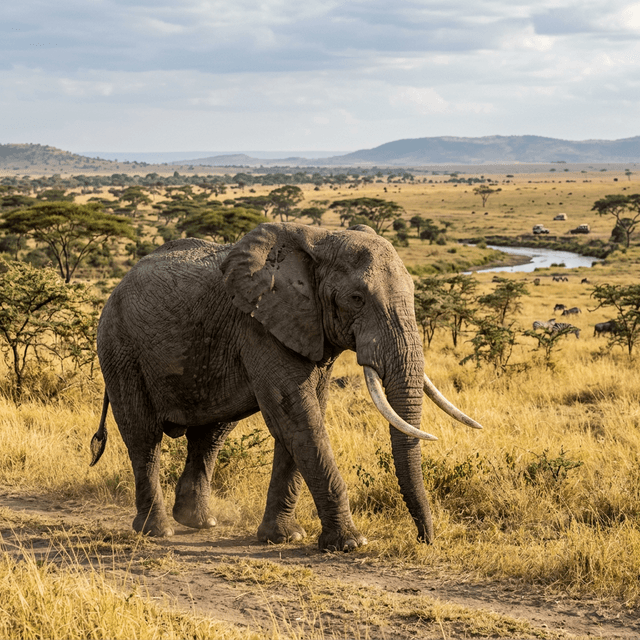
By October, pool contraction concentrates breeding groups, and Duba and Selinda spillway drives can reward repeat morning sessions.
Global Rankings arrow_forward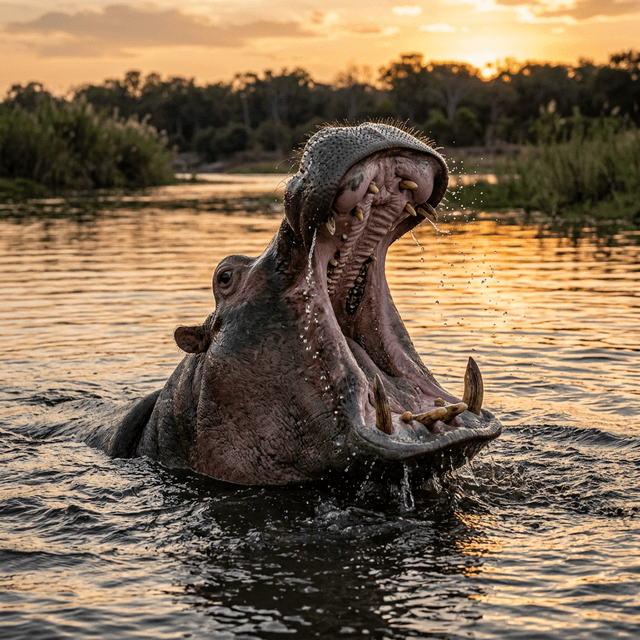
October's shrinking channels pull hippos into deeper Khwai and Abu pools, with land viewpoints supplementing shorter boat runs.
Global Rankings arrow_forward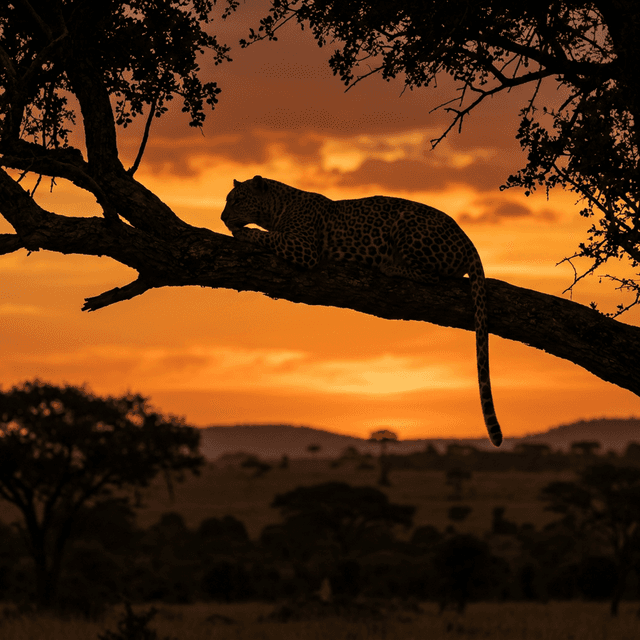
By October, short grass on floodplain verges can improve leopard road crossings on Selinda spillway access tracks.
Global Rankings arrow_forward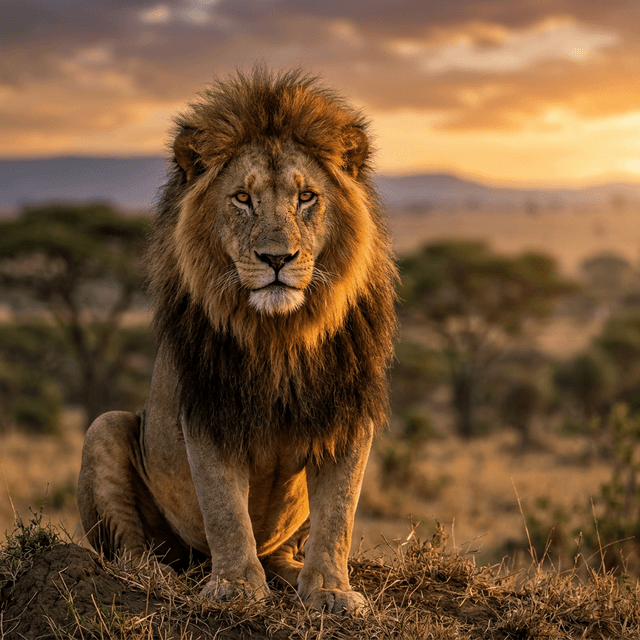
October's shrinking pools concentrate buffalo herds, and lion follow-up on Khwai and Duba remnants is often productive.
Global Rankings arrow_forward.png&w=3840&q=75&dpl=dpl_HQ2L9i4oxwN77KEPCJLjRiTMiRV6)
October short-grass floodplain hunting can lift sightings on Selinda and Khwai — pack movements remain irregular.
Global Rankings arrow_forward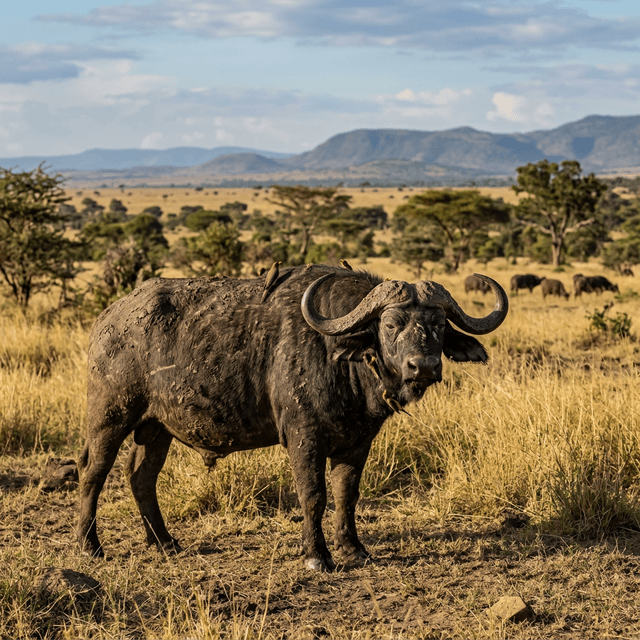
October pool contraction concentrates herds near Selinda spillway remnants, making it a strong land-drive month for bulk grazers.
Global Rankings arrow_forward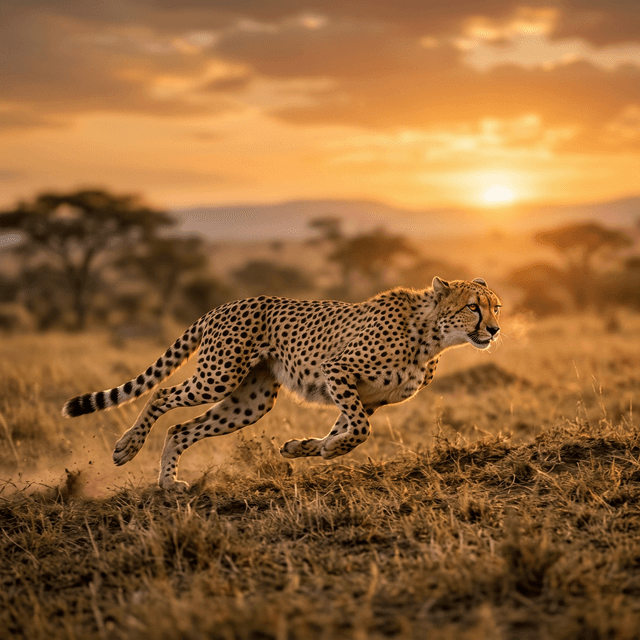
October short grass on floodplain remnants can improve cheetah scans, especially around termite mounds on Selinda flats at first light.
Global Rankings arrow_forward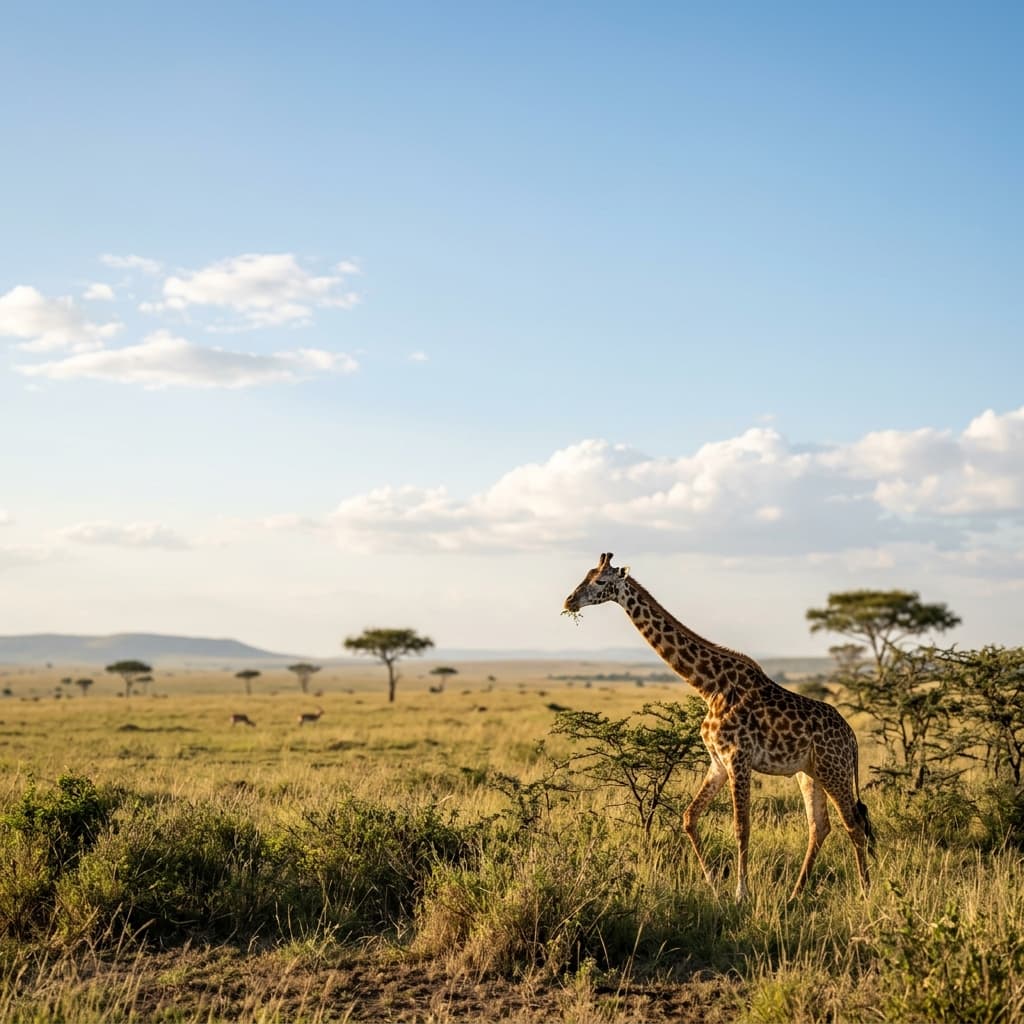
October browse pressure concentrates animals near Khwai riverine acacia, which can work well on land-drive circuits.
Global Rankings arrow_forward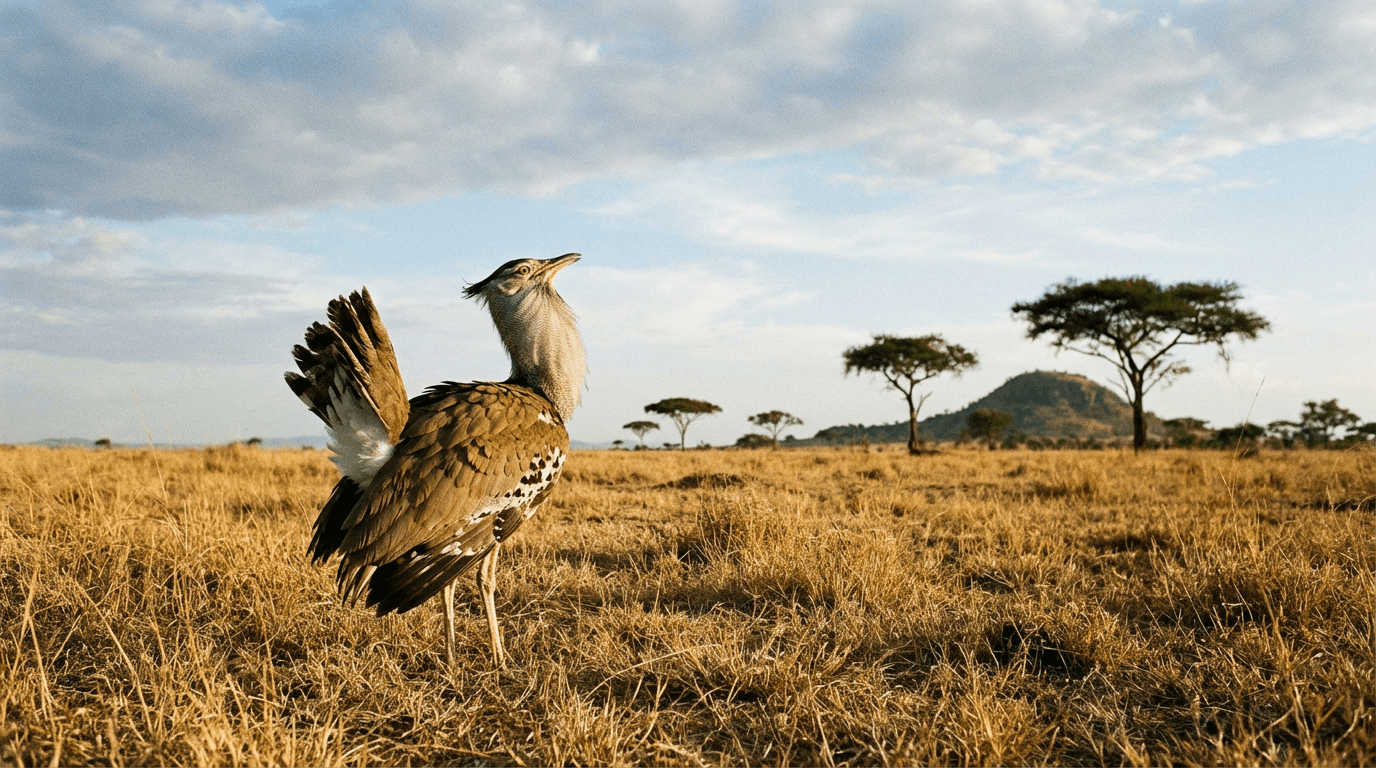
October peak bustard visibility on Duba Plains short grass before November green-up thickens cover.
Global Rankings arrow_forward
October pool contraction exposes wide sandbanks on Khwai, which makes it a strong basking month on land-accessible margins.
Global Rankings arrow_forwardData: WEI v6 — calibrated seasonal model · How we score
What are similar destinations to Okavango Delta?
What animals can you see in Okavango Delta?
Habitat Species
lion
starLion prides patrol island levees and floodplain edges where dry ground persists during peak flood — Duba Plains and Chief's Island are classic territories. Apex cap applies: strong flood months improve odds, not a scheduled pride appearance.
cheetah
starCheetah favour open floodplain grass on Duba Plains and similar sectors — present but outnumbered by lion. Receding water months (Sep–Oct) improve visibility on short grass; scan termite mounds at dawn.
giraffe
starGiraffe browse acacia and knobthorn on island edges and woodland-floodplain transitions; less flood-dependent than hippo but easier to spot when receding water opens sightlines across short grass.
leopard
starLeopards use riparian forest and fig thickets along permanent channels; boat approaches to forest edges at dawn and dusk improve shy-cat odds. Okavango leopard density is respectable but sightings stay discreet compared with lion.
hippopotamus
starHippo pods occupy open channels during peak flood and retreat to deeper lagoons as water drops. Mokoro and motorboat routes through full channels are often the productive mode May-August.
kori bustard
starKori bustard walks open floodplain verges and short-grass levees; receding months improve spotting when grass is low. Wetland edges add insect prey during shoulder seasons.
spotted hyena
starHyena clans are widespread across concessions; dawn and dusk activity peaks near kills and lagoon approaches. Receding flood months increase scavenging visibility on open plains.
nile crocodile
starLarge crocodiles bask on channel banks and sand spits; peak flood months offer boat-level views along open waterways. Permanent pools hold animals year-round as channels contract.
secretary bird
starSecretary birds hunt snakes and insects on open floodplain grass and recently exposed mud — receding water months lift visibility. Peak flood can limit access to preferred short-grass sectors.
african buffalo
starBuffalo herds graze floodplain grass and use dry levees during peak water; receding months concentrate herds near shrinking pools. Buffalo concentrations often attract lion follow-up.
african elephant
starBreeding herds shift with the flood pulse - peak months pull large groups onto exposed floodplain edges and island crossings. A useful anchor species when camp sector matches water stage.
African wild dog packs roam large concession ranges — Selinda, Khwai, and Moremi generate reports but movements are irregular. A high score month means habitat conditions help, not that packs run on schedule.
Why visit Okavango Delta
for a safari?
Flood pulse, not month — mokoro channels and island camps rewrite the game plan. Compare monthly WEI scores, species rankings, and flood-pulse timing for the Okavango Delta, Botswana — mokoro channels, island camps, and concession-specific wildlife odds.