Where to See Wildlife in June
June offers a unique intersection of migratory activity and seasonal transitions.
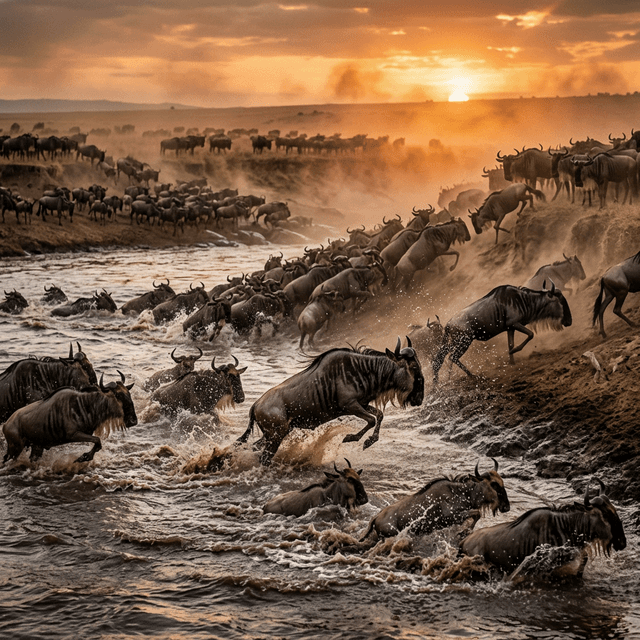
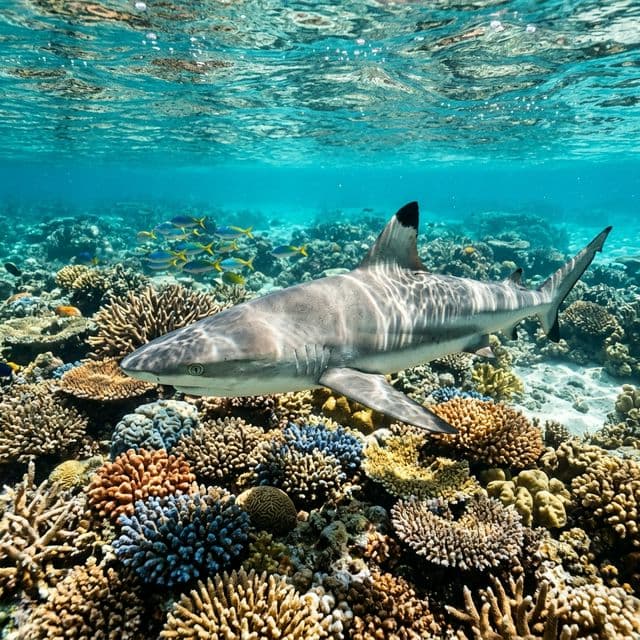
June marks the beginning of the dry season across many key regions, concentrating wildlife around remaining water sources while marine systems stabilize for reliable offshore encounters. While terrestrial systems experience rapid regeneration, marine environments offer the most consistent encounters with seasonal giants and breeding colonies.
Regional Visibility
- verified Wildlife dispersal across lush landscapes.
- verified Stable tropical marine conditions.
Observation Reality
Stabilized marine systems combined with receding water levels produce consistent, high-yield wildlife encounters.
Top Wildlife Destinations in June
Hotspots with
peak sightings in June
“June marks the beginning of the dry season across many key regions, concentrating wildlife around remaining water sources while marine systems stabilize for reliable offshore encounters.”
Wildlife Experience Index
Ranked by Wildlife Experience Index (WEI) — a composite of wildlife encounter probability, species visibility, seasonal timing, accessibility, crowd levels and weather conditions.
Ningaloo Reef
Wildlife Focus:
Strong Biodiversity
Key Wildlife Event:
High WEI month: wildlife opportunity and access support headline encounters without extraordinary effort.
Core Zone:
Outer Reef / Pelagic
Okavango Delta
Best for: floodplain delta
High water is taking hold, with channels and lagoons doing the heavy lifting while water level varies by concession.
Explore trending_flatGreat Barrier Reef
Best for: marine megafauna
High WEI month: wildlife opportunity and access support headline encounters without extraordinary effort.
Explore trending_flatBest Animals to See in June
Tip: Wildlife spreads across the landscape as new vegetation returns
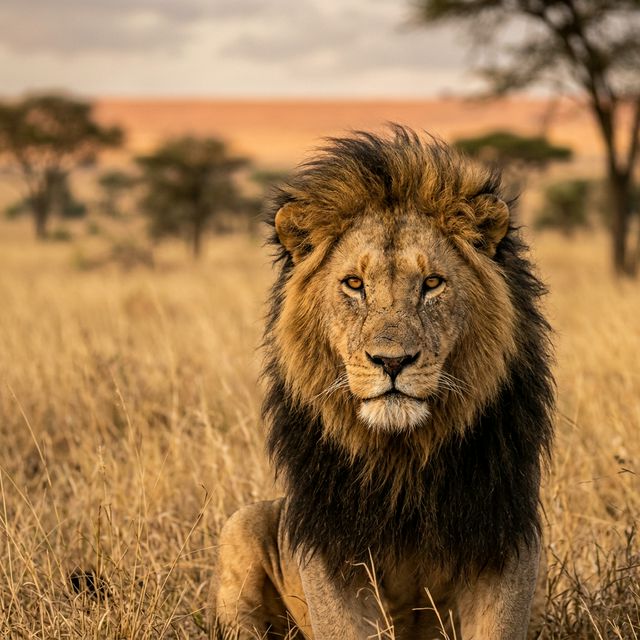
Tip: Best viewed via guided local trackers
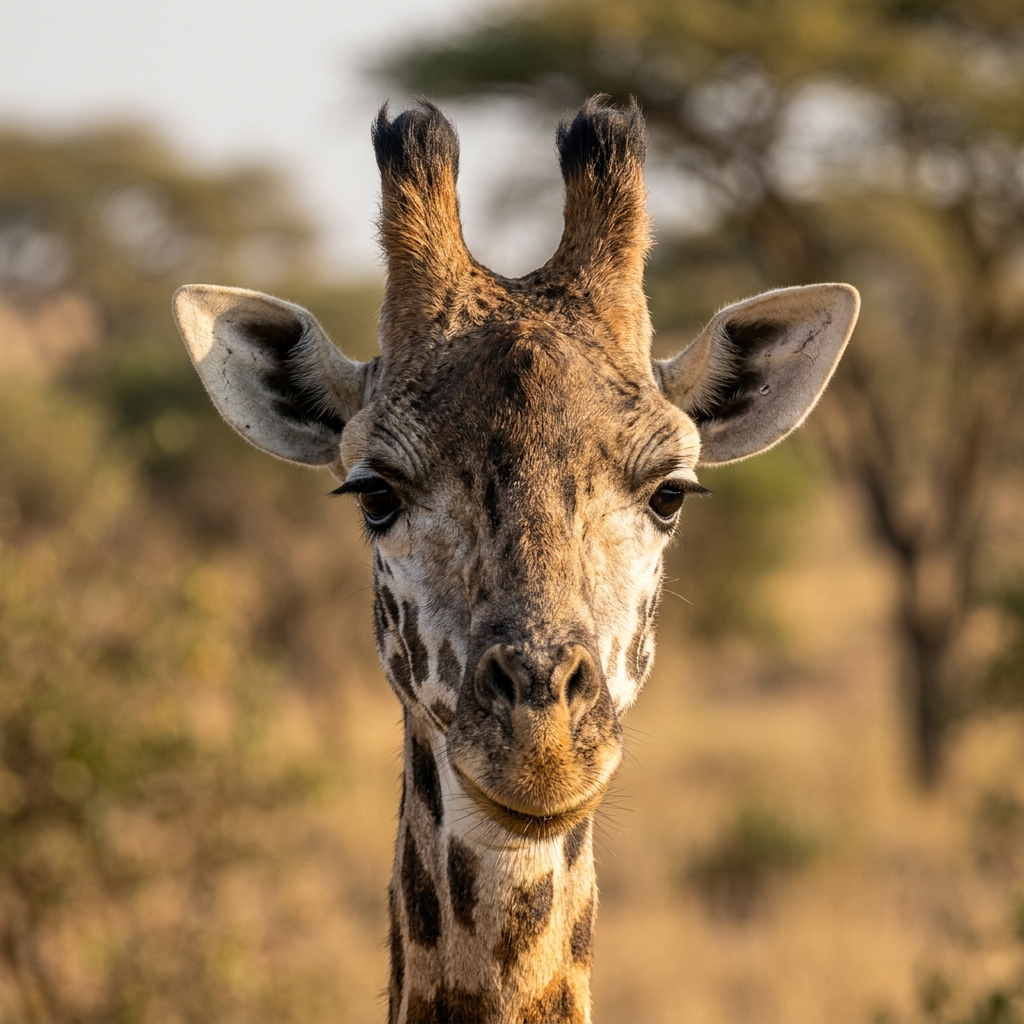
Tip: Best viewed via guided local trackers
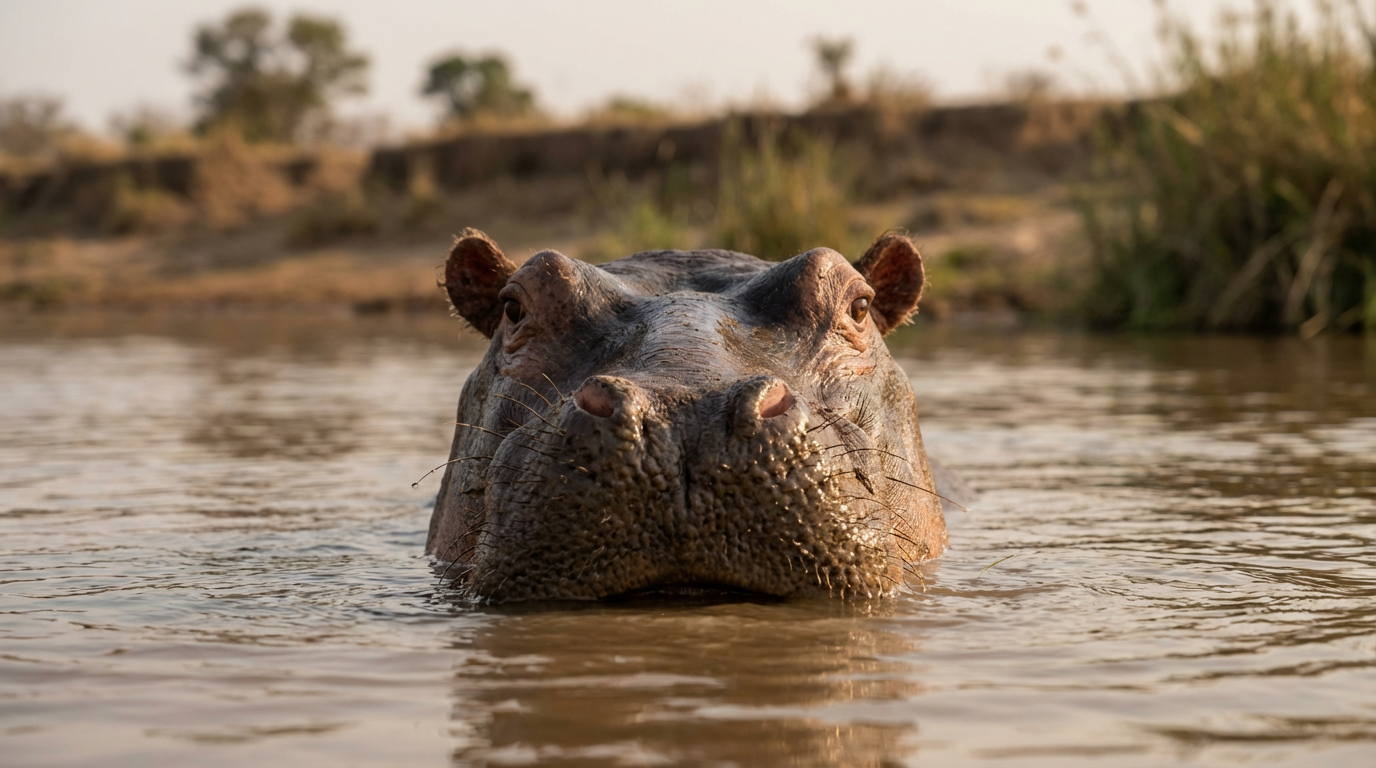
Tip: Post-dawn game drives offer best predator visibility
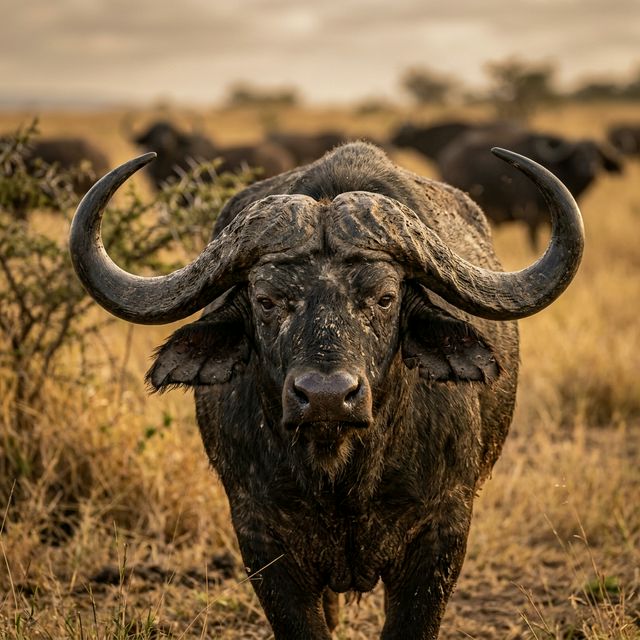
Tip: Post-dawn game drives offer best predator visibility
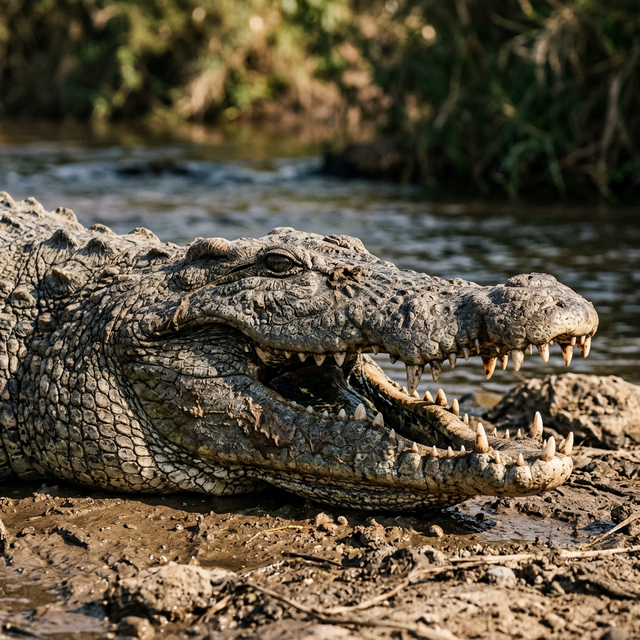
Tip: Post-dawn game drives offer best predator visibility
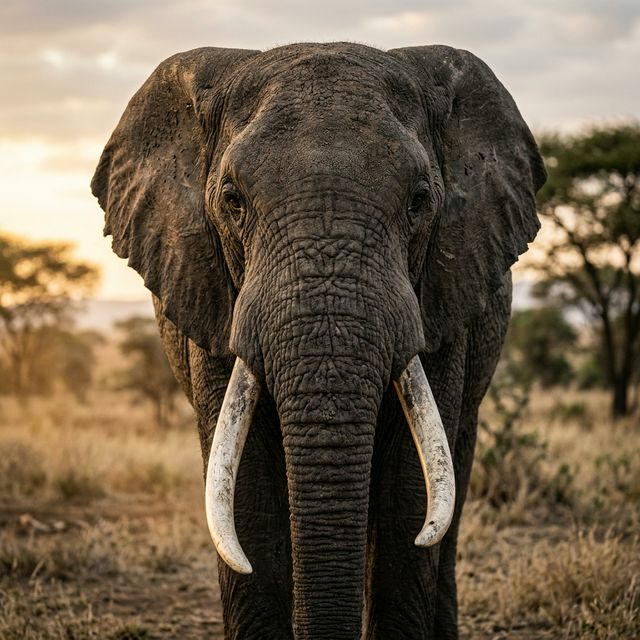
Tip: Post-dawn game drives offer best predator visibility
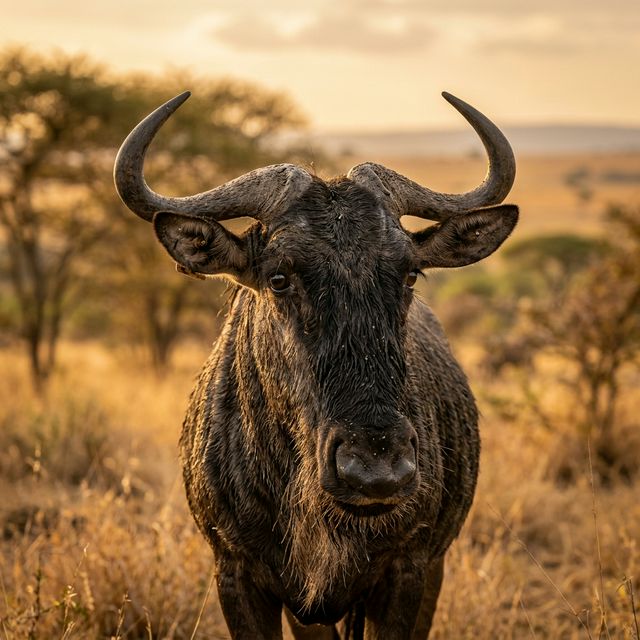
Tip: Post-dawn game drives offer best predator visibility
Why December is a
transitional global Month
June offers seasonally strong wildlife activity
“Expect high likelihood of sightings at top June travel hotspots with regionally excellent visibility across our dataset.”
Expert Evaluation:
Specific marine giants, seasonal transitions, and calving events.
Expert-Backed Insights
Planning your June Safari
Peak Season?
Shoulder season (Best Value). Our data shows these windows often provide the highest value — intense activity with lower visitor density.
Best Regions
Africa (Green Season) & Marine Hubs. June is elite for Western Australia and underwater visibility in major tropical hubs.
Crowds
Significantly lower than peak dry season. You’ll have more time at sightings and better photographic angles.
Monthly Travel Comparison
Looking beyond the top picks? These destinations offer exceptionally strong wildlife experiences in June.
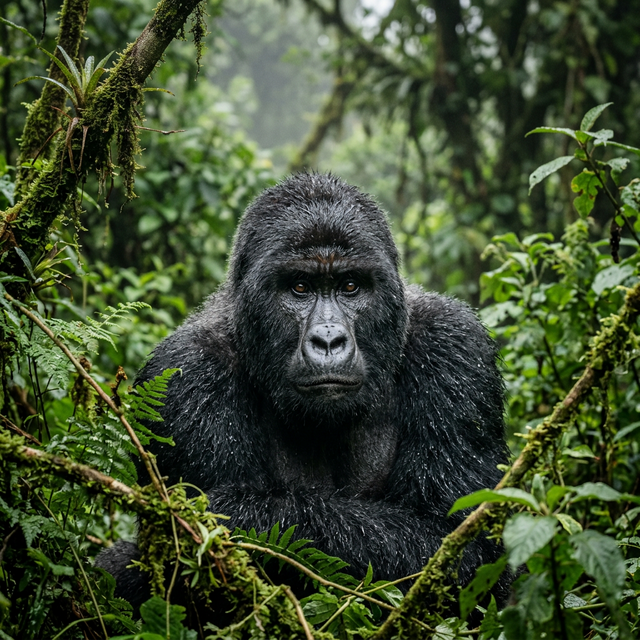
Bwindi Impenetrable National Park
Wildlife opportunity peaks — typical drive effort matches headline-species expectations.
→ Secondary peak
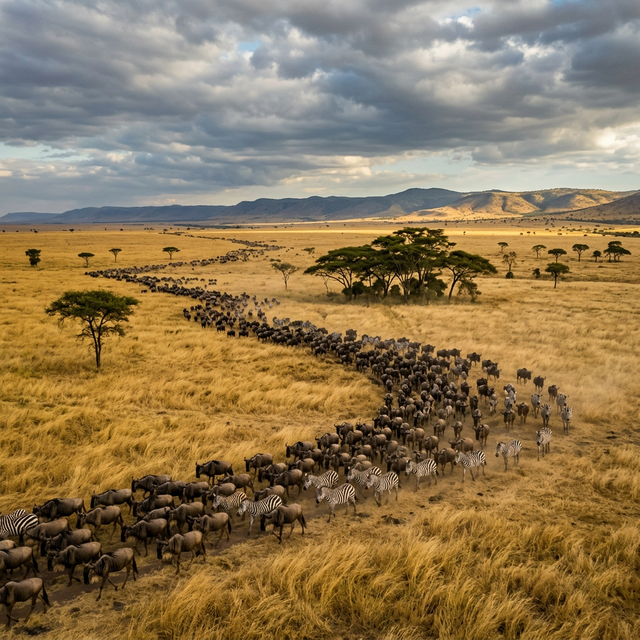
Serengeti National Park
Strong wildlife density and reliable access — headline species encounters are realistic with normal game drives.
→ Secondary peak
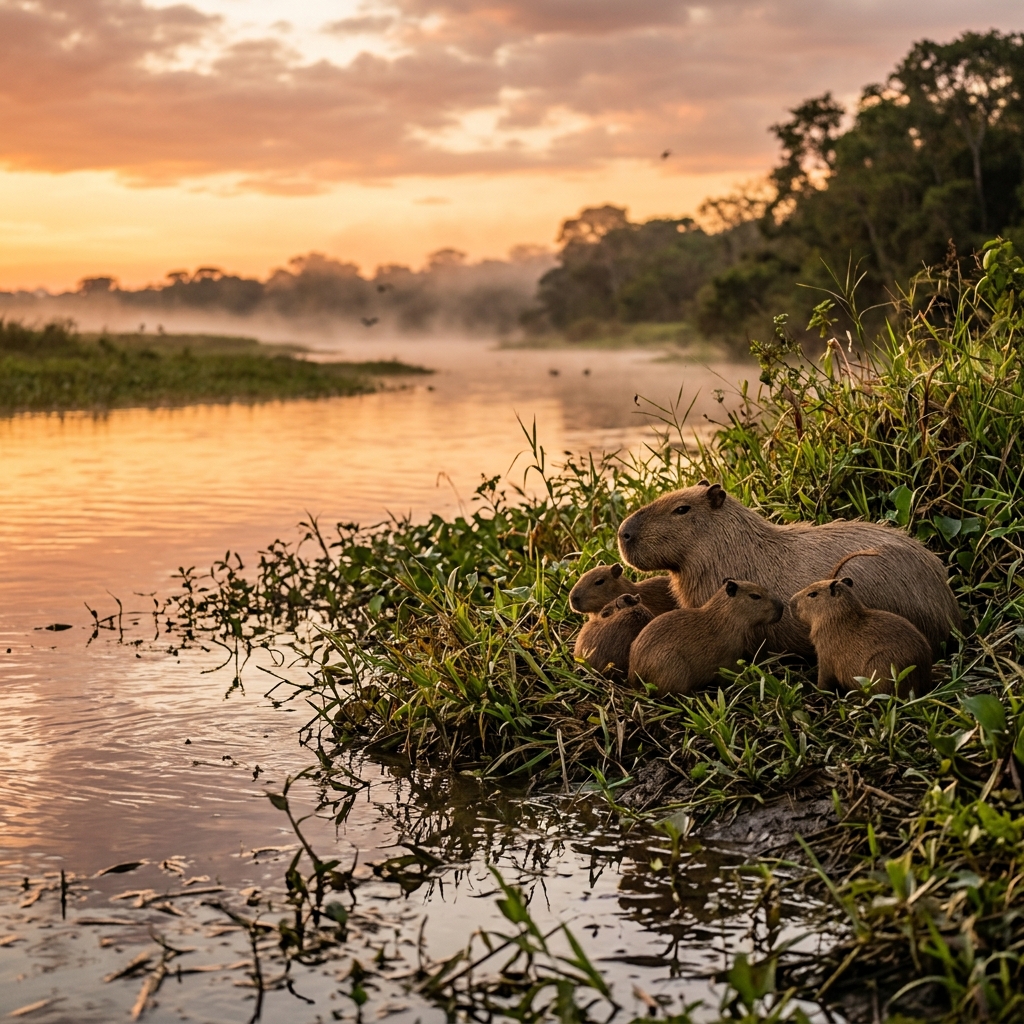
Pantanal
Favourable density and route access — plan normal game drives with realistic headline-species odds.
→ Secondary peak
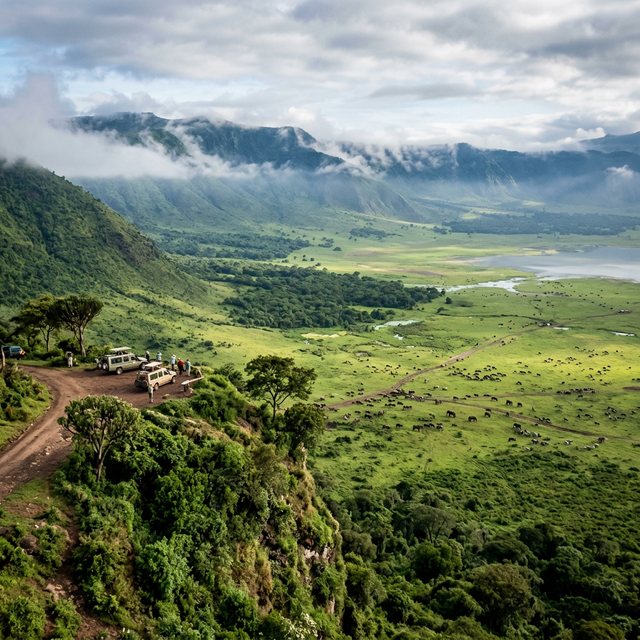
Ngorongoro Conservation Area
Shoulder month — shift expectations toward what is seasonally reliable rather than headline density.
→ Secondary peak
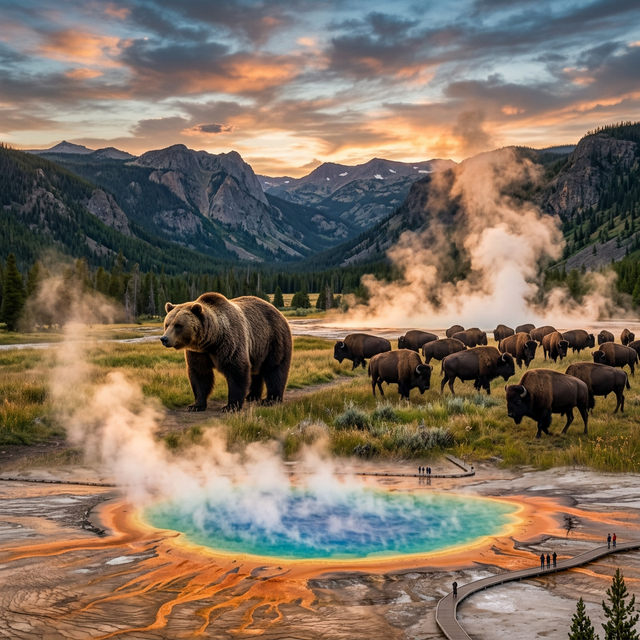
Yellowstone National Park
Peak seasonal window — density and access align so headline species are realistic on standard drives.
→ Secondary peak
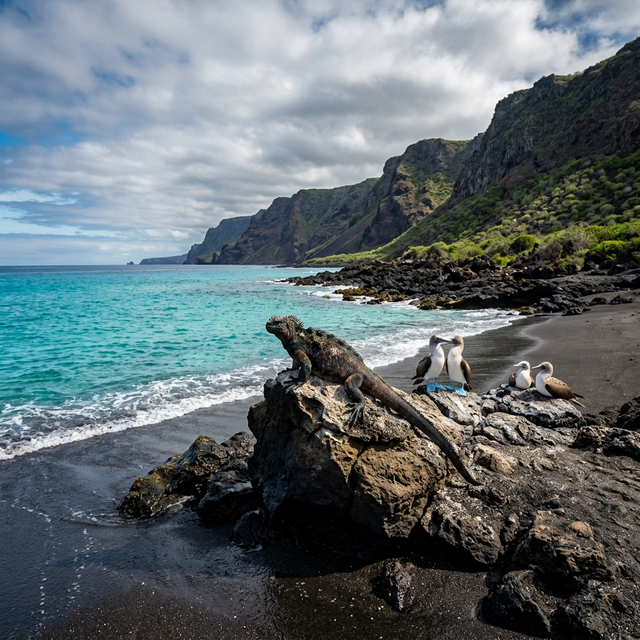
Galápagos Islands
Favourable density and route access — plan normal game drives with realistic headline-species odds.
→ Secondary peak
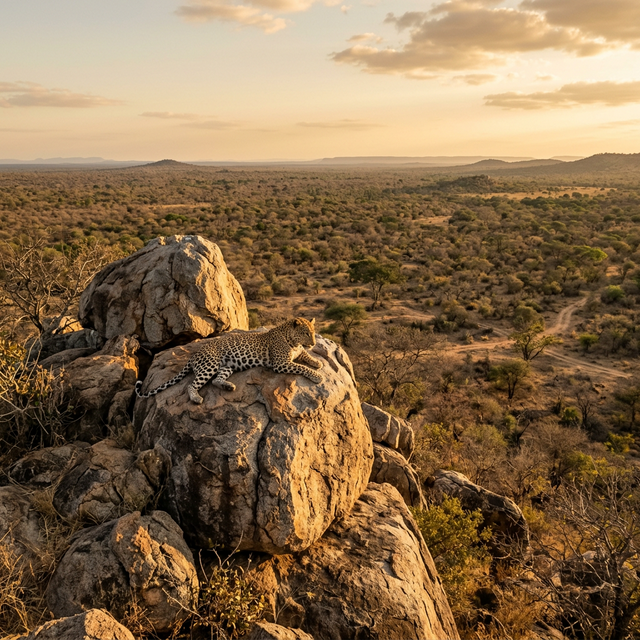
Kruger National Park
Dry winter clarity — sparse bush and cold mornings drive wildlife to open waterholes.
→ Secondary peak
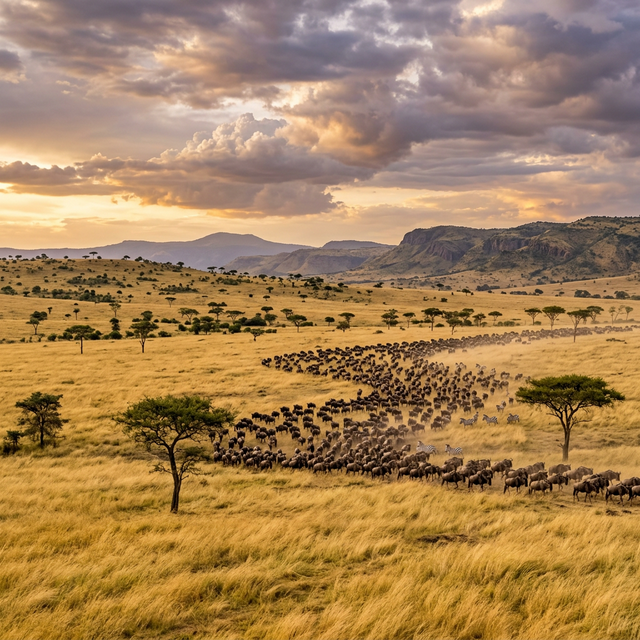
Masai Mara National Reserve
Peak seasonal window — density and access align so headline species are realistic on standard drives.
→ Secondary peak
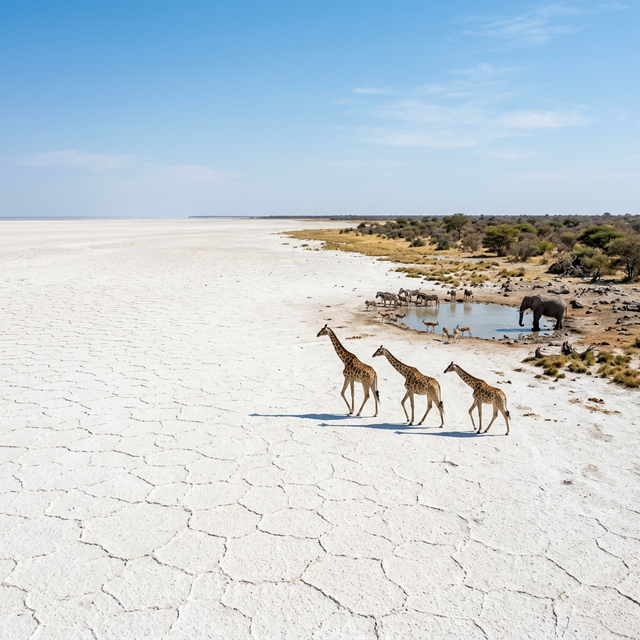
Etosha National Park
Transitional conditions — resident species remain; headline encounters need more targeted routing.
→ Secondary peak
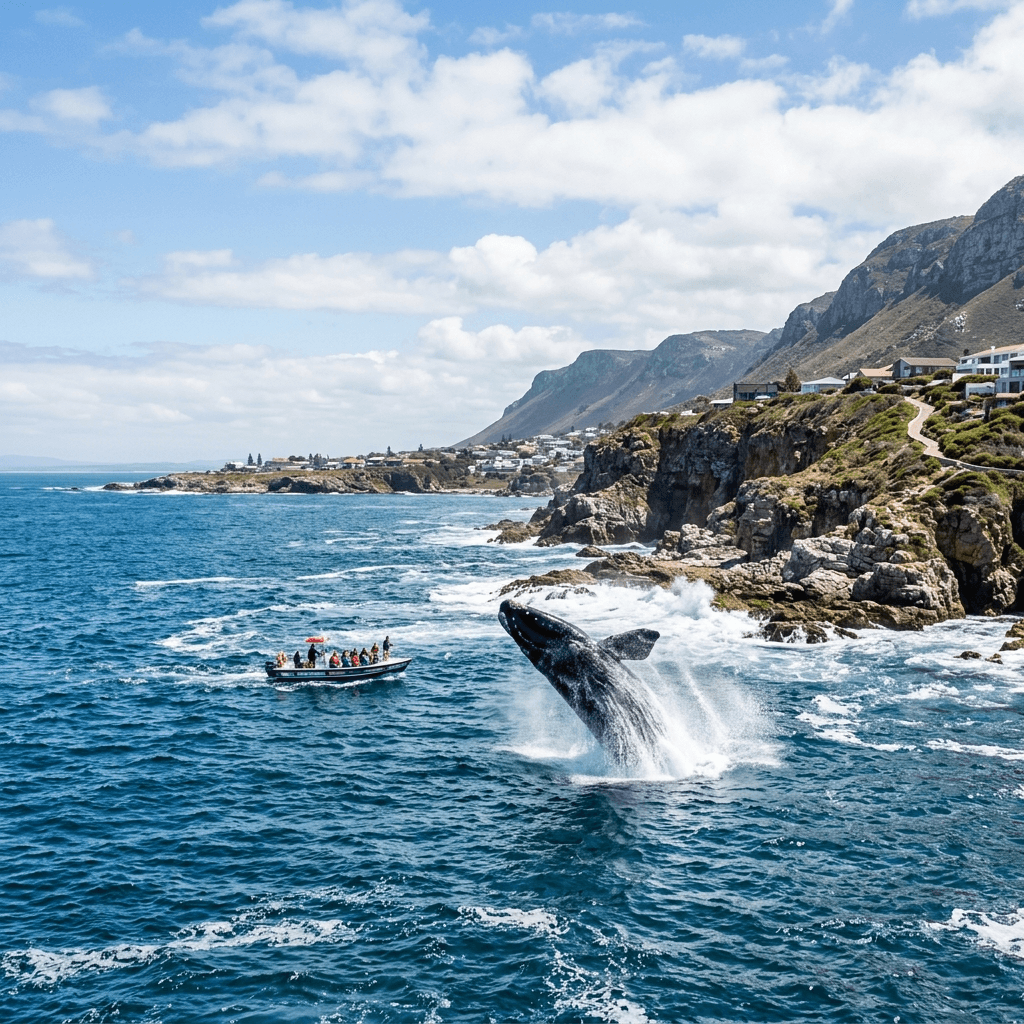
Hermanus (Walker Bay)
Favourable density and route access — plan normal game drives with realistic headline-species odds.
→ Secondary peak
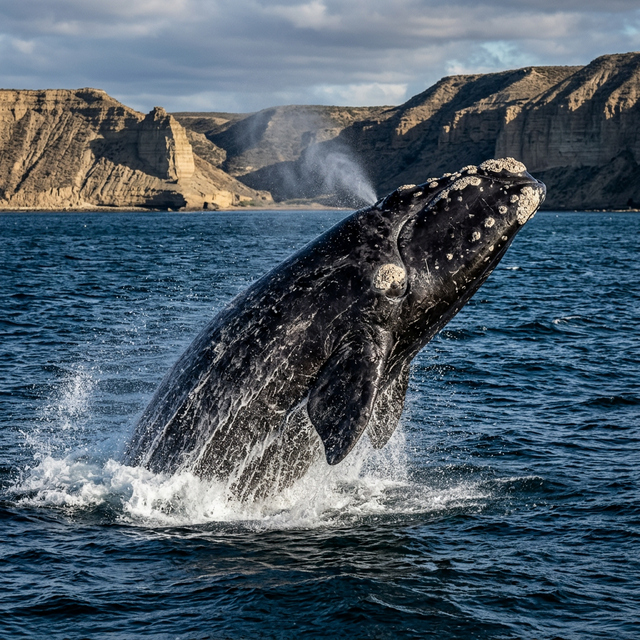
Península Valdés
Favourable density and route access — plan normal game drives with realistic headline-species odds.
→ Secondary peak

Ranthambore National Park
Late summer heat: pre-monsoon humidity builds, keeping tigers near shaded ruins before core zones close.
→ Secondary peak
Where to Go Based on Your Travel Goals
What do you want
to do next?
Explore all
destinations
Browse the complete global database of monthly wildlife hotspots.
Find specific
animals
Direct search for humpback whales, lions, or any 100+ tracked species.
Compare data
insights
Use the Wildlife Experience Index to compare modelled sighting probabilities.
Or explore popular species this month
Global Seasonality Index
Dry season peak (Africa)
Calving season & Predator activity
Transitional value & Lush scenery
Marine + green transition
Dry season start & Clear visibility
Great migration & Pantanal start
Peak predation (Serengeti)
Height of the dry season
Marine peaks & Southern spring
Waterhole drama & Intense visibility
Breeding season & Newborns
Holiday peaks & Tropical marine