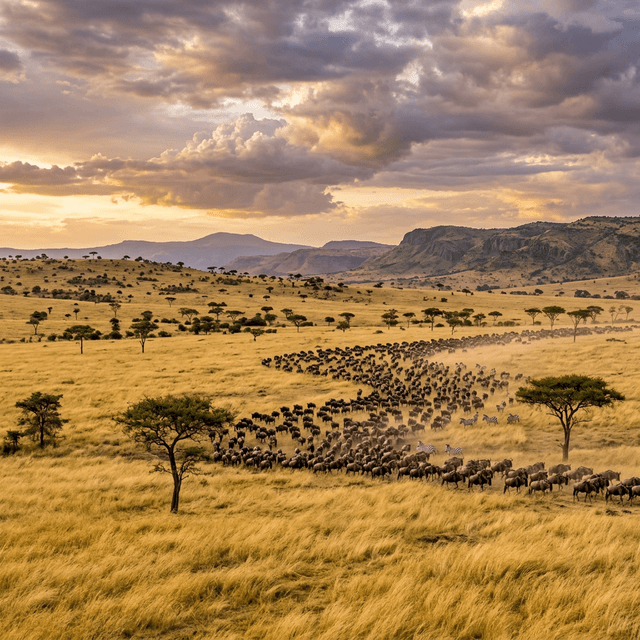
15 destinations · ranked by WEI
The world's bestwildlife parks.
Every destination independently scored month by month using the Wildlife Experience Index — encounter probability, visibility, accessibility and more. No affiliate bias.
Africa
8 parks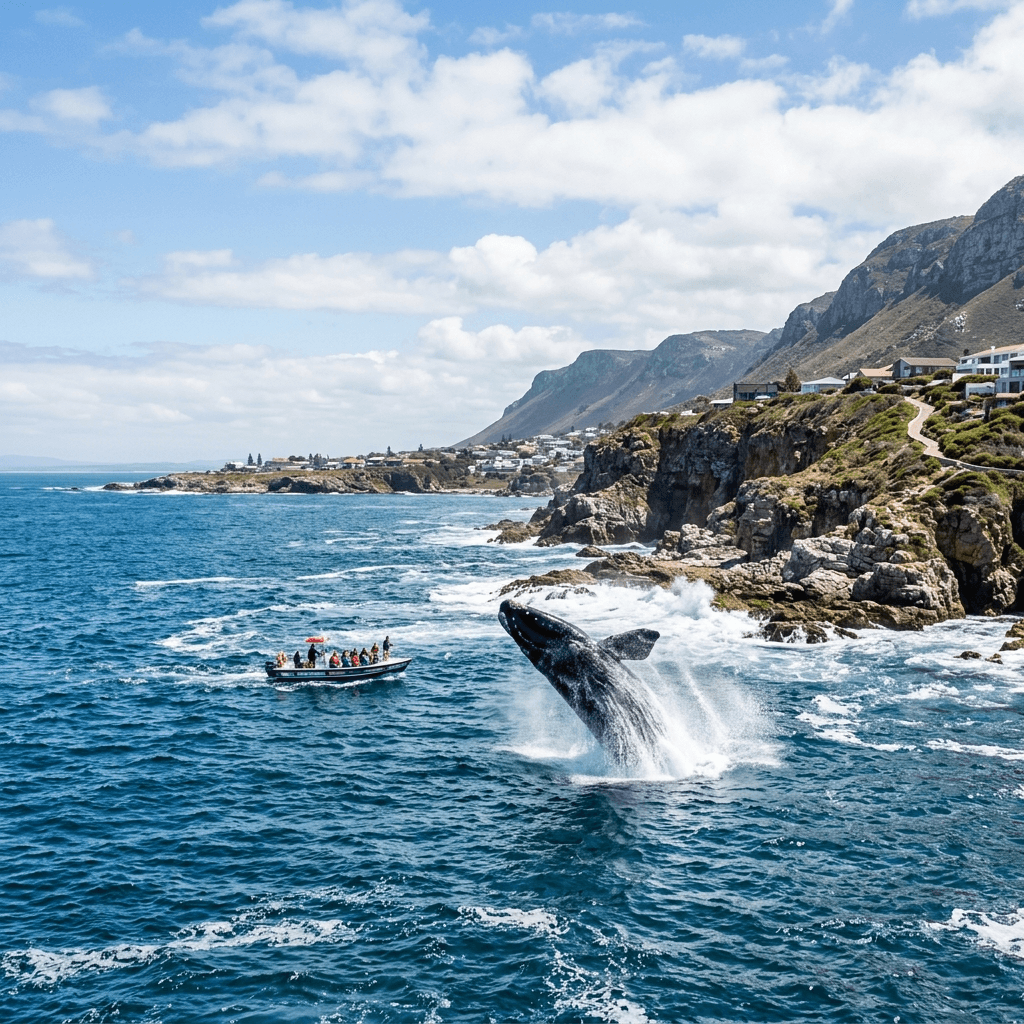
Hermanus (Walker Bay)
Best in Oct
Hermanus is situated along the northern shore of Walker Bay, a deep and sheltered marine basin located on the southern coast of the Western…
Jan — Dec
Masai Mara National Reserve
Best in Sep
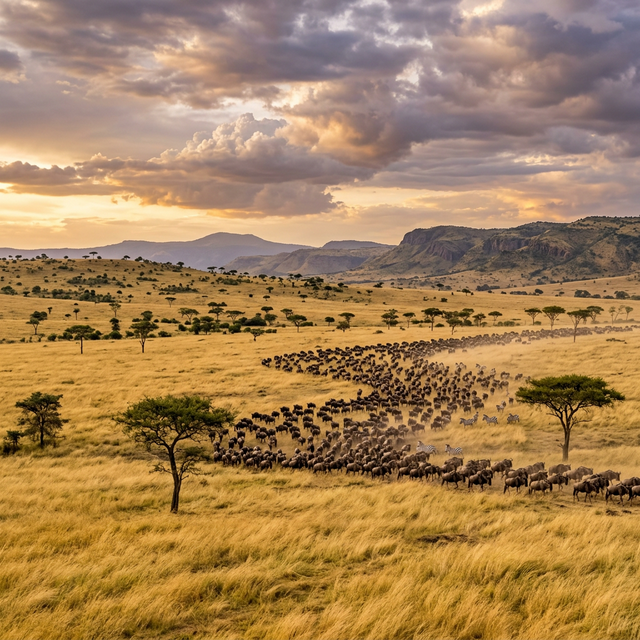
The Masai Mara is Kenya's flagship savanna reserve, famous for Big Cat density and the Great Migration river crossings from July onward.…
Jan — Dec
Okavango Delta
Best in Jul
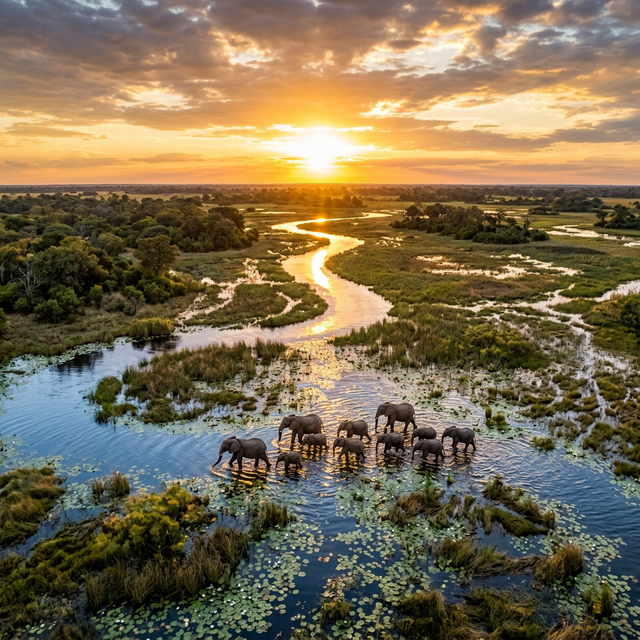
The Okavango Delta is a seasonal inland wetland where Angolan floodwaters usually arrive from May and reshape wildlife across channels,…
Jan — Dec
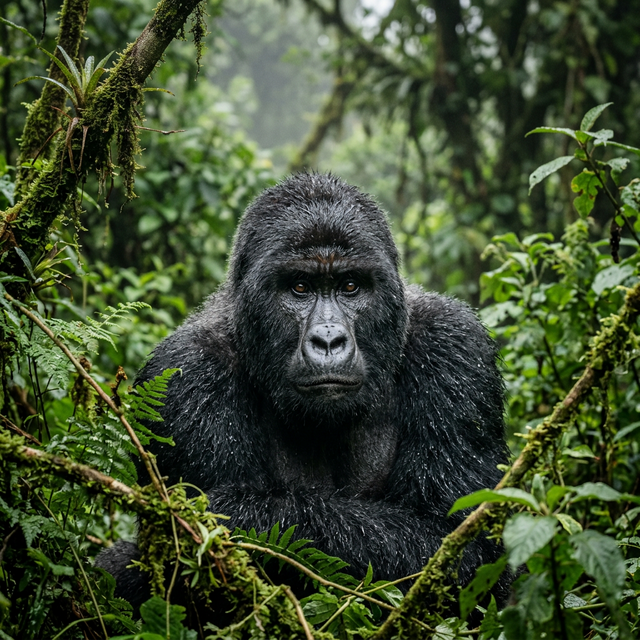
Bwindi Impenetrable National Park
Best in Jul
Bwindi Impenetrable National Park, located in southwestern Uganda along the Albertine Rift, has a conservation history dating back to 1932…
Jan — Dec
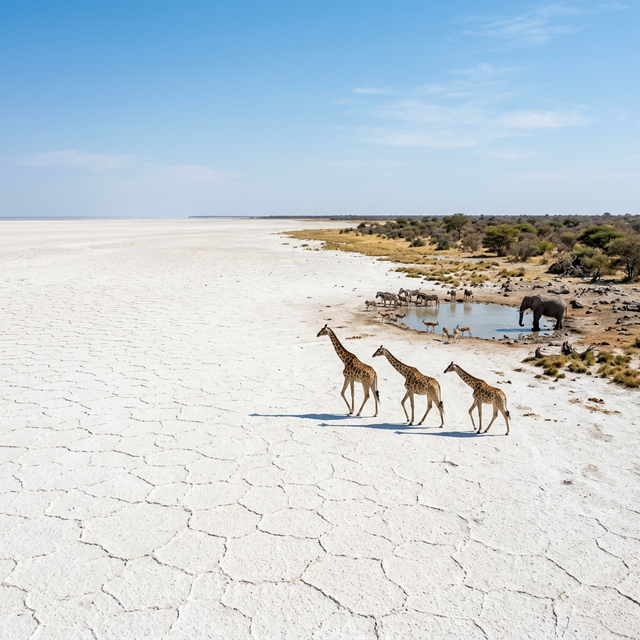
Etosha National Park
Best in Oct
Etosha National Park is dominated by a massive, silvery salt pan visible from space, creating a stark and beautiful backdrop for Namibia's…
Jan — Dec
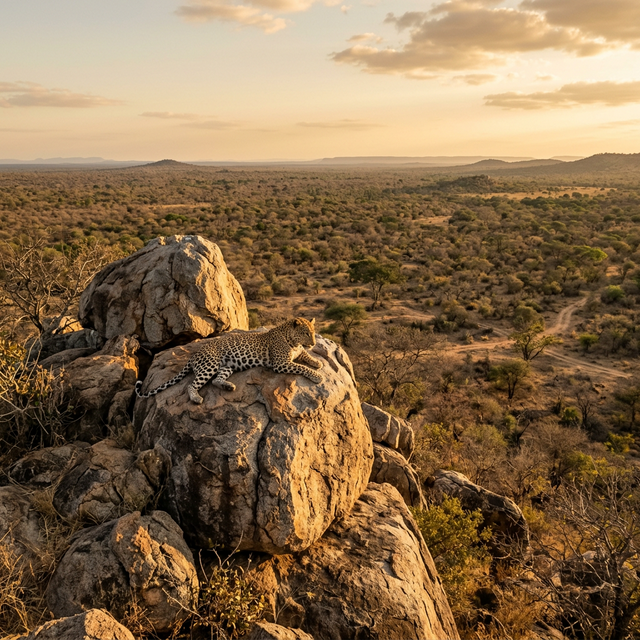
Kruger National Park
Best in Aug
Kruger National Park is one of Africa's most accessible Big Five destinations, with self-drive roads, rest camps, and year-round wildlife.…
Jan — Dec
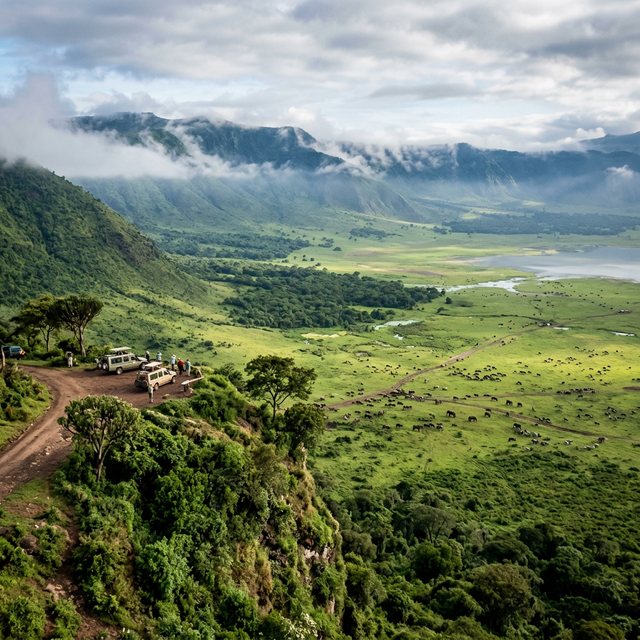
Ngorongoro Conservation Area
Best in Aug
Ngorongoro Conservation Area is home to the world's largest inactive volcanic caldera, forming a natural enclosure for over 25,000 large…
Jan — Dec
Serengeti National Park
Best in Feb
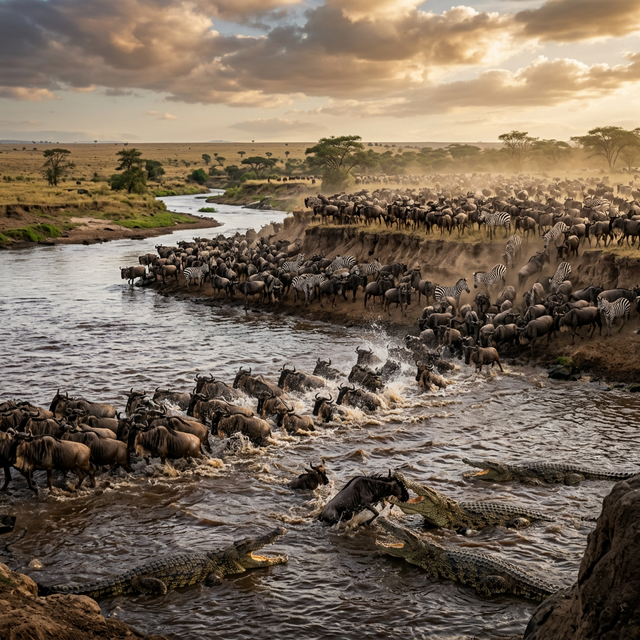
Serengeti National Park is Tanzania’s flagship savanna: vast grasslands, scattered kopjes, river woodlands, and the seasonal rhythm of the…
Jan — Dec
South America
3 parks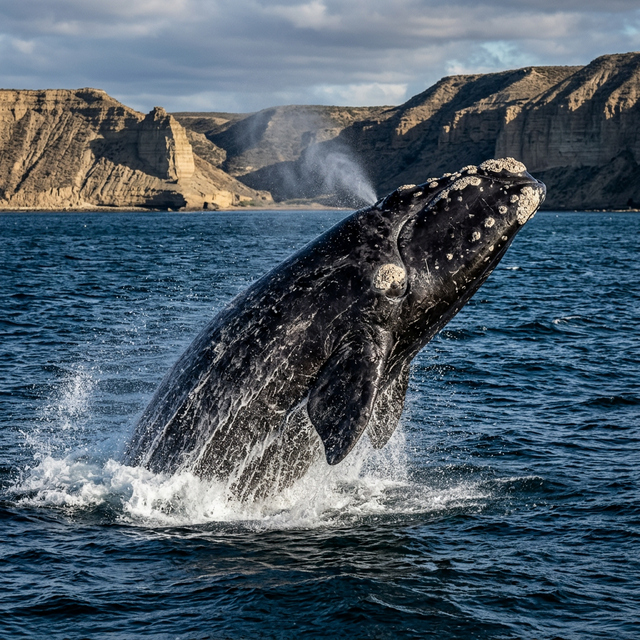
Península Valdés
Best in Oct
Península Valdés is a UNESCO-listed Argentine marine sanctuary where Southern Right Whales nurse in sheltered gulfs mid-year, Magellanic…
Jan — Dec
Pantanal
Best in Aug
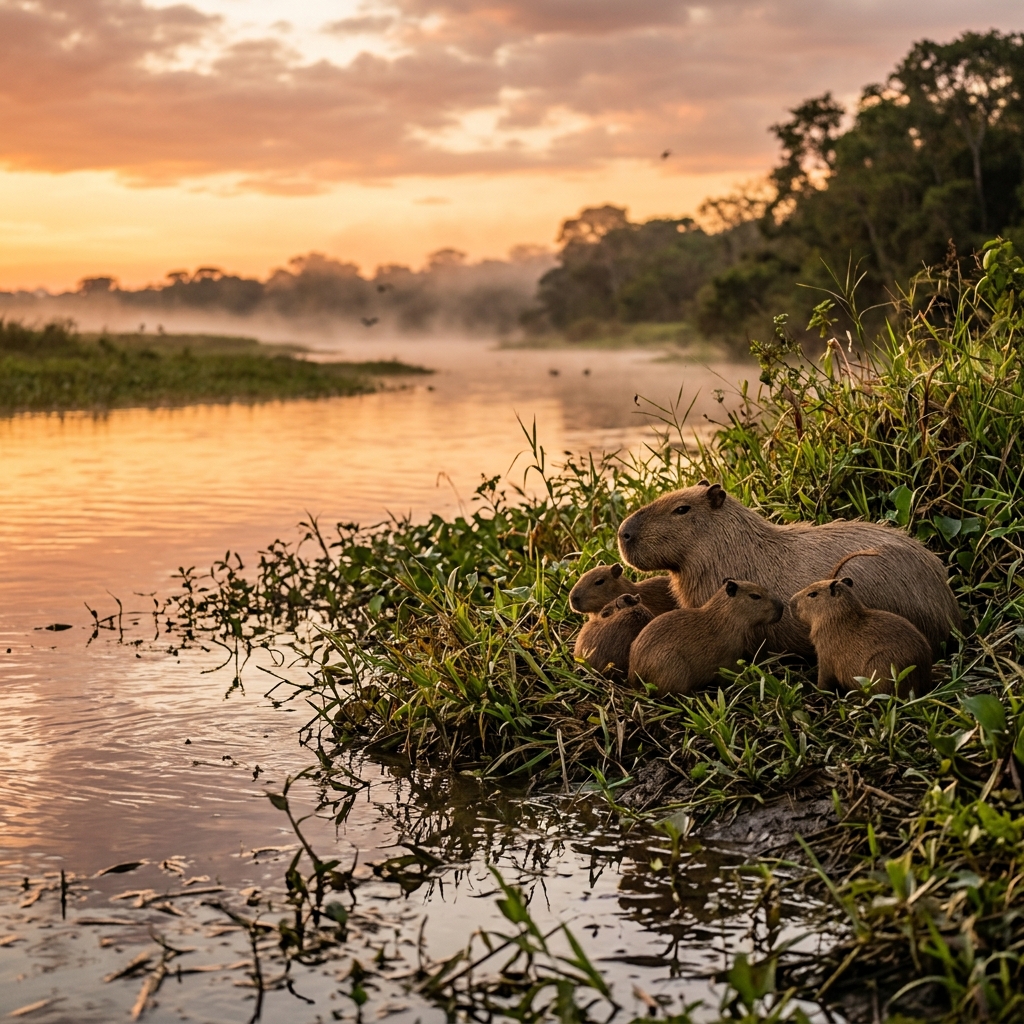
The best time to visit the Pantanal is typically from Jun-Sep, when falling water levels concentrate wildlife and make sightings most…
Jan — Dec
Galápagos Islands
Best in May
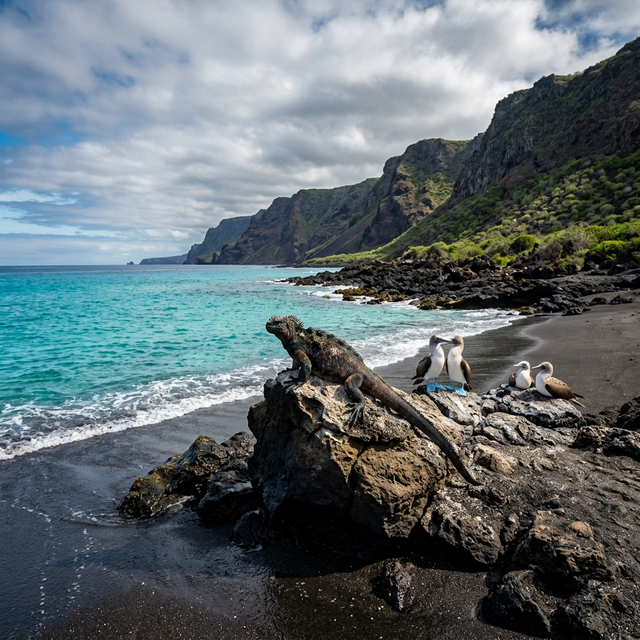
Galapagos is an all-round evolutionary wildlife destination, not a pure marine-megafauna play. April to June is the strongest general…
Jan — Dec
Asia
1 park
Ranthambore National Park
Ranthambore National Park is India's famous tiger reserve, where Bengal tigers patrol dry deciduous forests and ruins across a ten-zone system. Zone assignment dictates success: core lake Zones 2, 3, and 4 offer the…
Jan — Dec
North America
1 park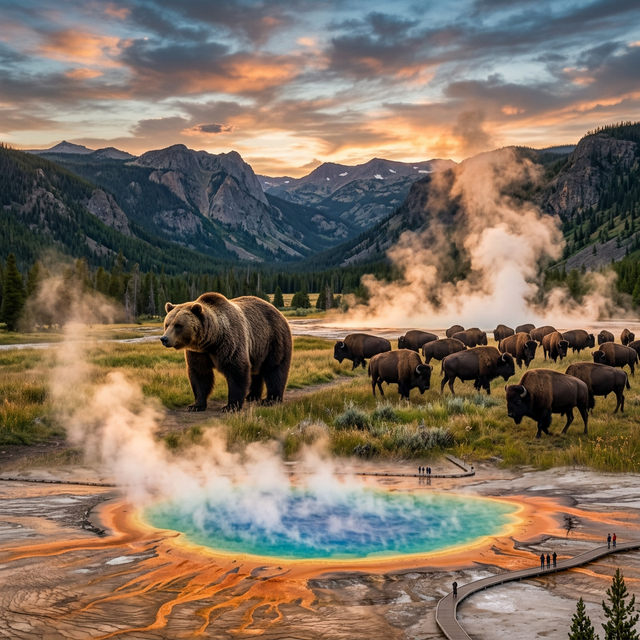
Yellowstone National Park
Yellowstone National Park anchors the Greater Yellowstone Ecosystem — bison, elk, grizzly bears, wolves, and moose share wide river valleys and geothermal basins with seasonal access patterns that matter as much as the…
Jan — Dec
Oceania
2 parks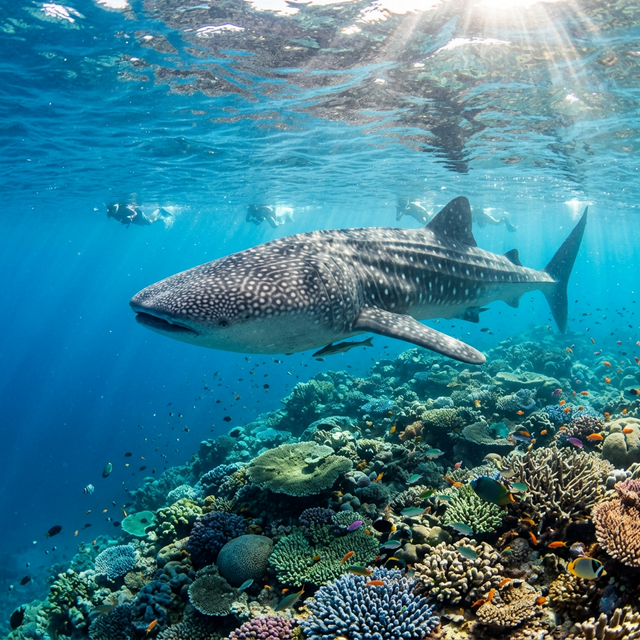
Ningaloo Reef
Best in Sep
Ningaloo Reef is Western Australia's near-shore megafauna corridor: a fringing reef where coral spawning draws whale sharks in autumn,…
Jan — Dec
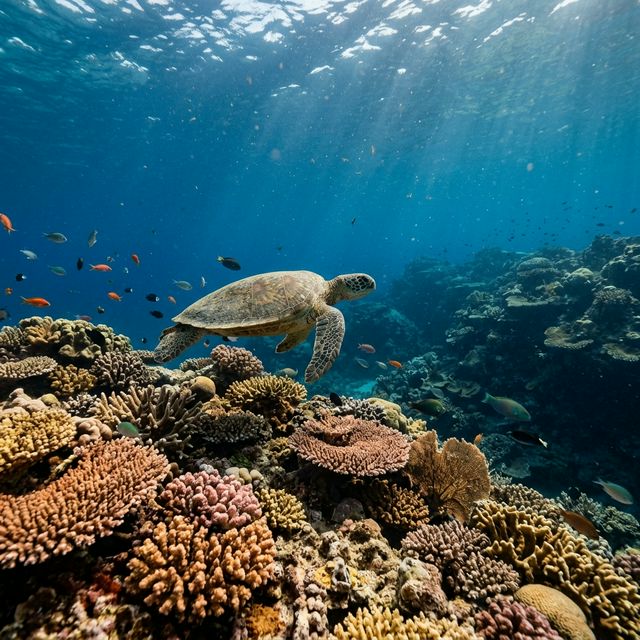
Great Barrier Reef
Best in Jul
The Great Barrier Reef is a vast coral corridor, not a single dive site. Dwarf Minke Whale encounters peak on the Ribbon Reefs in June and…
Jan — Dec
ParkScore Rankings
Serengeti National Park
Tanzania · Best in Feb
Ningaloo Reef
Australia · Best in Sep
Masai Mara National Reserve
Kenya · Best in Sep
Península Valdés
Argentina · Best in Oct
Ngorongoro Conservation Area
Tanzania · Best in Aug
Okavango Delta
Botswana · Best in Jul
Great Barrier Reef
Australia · Best in Jul
Galápagos Islands
Ecuador · Best in May
Kruger National Park
South Africa · Best in Aug
Bwindi Impenetrable National Park
Uganda · Best in Jul
Pantanal
Brazil · Best in Aug
Hermanus (Walker Bay)
South Africa · Best in Oct
Etosha National Park
Namibia · Best in Oct
Ranthambore National Park
India · Best in Oct
Yellowstone National Park
USA · Best in Jul
ParkScore Rankings — all destinations
| # | Destination | Country | ParkScore | Best month |
|---|---|---|---|---|
| 1 | Serengeti National Park | Tanzania | 85 | Feb |
| 2 | Ningaloo Reef | Australia | 84 | Sep |
| 3 | Masai Mara National Reserve | Kenya | 81 | Sep |
| 4 | Península Valdés | Argentina | 80 | Oct |
| 5 | Ngorongoro Conservation Area | Tanzania | 79 | Aug |
| 6 | Okavango Delta | Botswana | 78 | Jul |
| 7 | Great Barrier Reef | Australia | 78 | Jul |
| 8 | Galápagos Islands | Ecuador | 78 | May |
| 9 | Kruger National Park | South Africa | 77 | Aug |
| 10 | Bwindi Impenetrable National Park | Uganda | 75 | Jul |
| 11 | Pantanal | Brazil | 75 | Aug |
| 12 | Hermanus (Walker Bay) | South Africa | 73 | Oct |
| 13 | Etosha National Park | Namibia | 73 | Oct |
| 14 | Ranthambore National Park | India | 69 | Oct |
| 15 | Yellowstone National Park | USA | 69 | Jul |
How we score destinations
Every destination in the SafariDex index is independently scored for each month of the year using the Wildlife Experience Index (WEI) — a composite rating that combines encounter probability, wildlife visibility, weather conditions, crowd density and logistical accessibility. Scores run from 0–100; a WEI of 80+ indicates excellent conditions, 90+ represents a peak season window.
Scores are SafariDEX's calibrated monthly model for each park and species — a twelve-month curve built from documented seasonal patterns and reviewed park by park. There are no paid placements and no sponsored rankings — partners never influence scores, and the index exists solely to help travellers make better decisions.
Safari destination FAQs
Which safari destination has the highest Wildlife Experience Index score?
Serengeti National Park in Tanzania currently leads the SafariDex index with a peak WEI of 90, recorded in February during the calving season when predator activity is most concentrated. The Great Migration river crossings from July through October deliver sustained scores of 87–88.
When is the best time to visit a safari destination?
Optimal timing depends on your target destination and species. Tanzania's Serengeti peaks in February (calving) and July–October (Great Migration). South America's Pantanal peaks in July–August for jaguar sightings. Península Valdés peaks in October for southern right whales. The WEI month-by-month scores on each destination page show exact conditions at a glance.
What is the Wildlife Experience Index (WEI)?
The Wildlife Experience Index (WEI) is SafariDex's proprietary month-by-month scoring model that rates every safari destination on a scale of 0–100 for each calendar month. Scores are based on encounter probability, wildlife visibility, seasonal weather, crowd levels and logistical accessibility. A WEI of 80+ indicates excellent conditions; 90+ represents peak season.
How does SafariDex rank safari destinations?
Each score combines encounter probability and sighting reliability, weighted by our own calibration. The full method is published on the methodology page. There are no paid placements or affiliate-influenced rankings — scores are based solely on wildlife conditions. Full methodology and scoring criteria are published on the Methodology page.
What is the difference between safari destinations in Africa vs South America?
African safaris — particularly in East Africa (Serengeti, Masai Mara) and Southern Africa (Kruger, Chobe) — are characterised by open savanna and the iconic Big Five. South American wildlife destinations like the Pantanal and Ibera Wetlands offer different ecosystems focused on jaguars, caimans, giant river otters and extraordinary birdlife. The WEI scoring model applies equally across all regions, enabling direct cross-continent comparison.
Expanding weekly
More destinations on the way.
Every destination is reviewed by hand before publication. Scores come from a calibrated seasonal model per park and species. We add one new park per week.
Africa
- Bwindi · Uganda
- Masai Mara · Kenya
- Ngorongoro · Tanzania
- Kruger · South Africa
- Etosha · Namibia
- Okavango · Botswana
- Chobe · Botswana
Asia
- Ranthambore · India
- Kinabatangan · Borneo
- Komodo · Indonesia
- Chitwan · Nepal
Americas
- Galápagos · Ecuador
- Torres del Paine · Chile
- Yellowstone · USA
- Manu NP · Peru
Arctic & More
- Svalbard · Norway
- Great Barrier Reef · Australia
- Ningaloo Reef · Australia
+ 60 more destinations in review across all continents