Best Time for Wildlife in
Masai Mara National Reserve
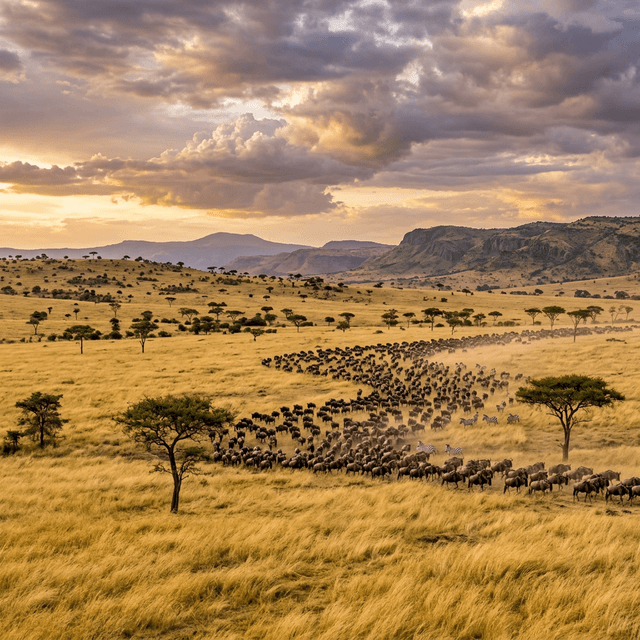
Masai Mara National Reserve scores 95/100 on the Wildlife Encounter Index in Sep, driven by Wildebeest sightings.
Best window for wildlife: Aug–Oct. ParksCore composite score: 81/100.
The Mara River crossings make migration timing the calendar that defines a Kenya safari.
Country
kenyaRegion
narok county
Total Area
1,510 km² (reserve core)
Status
Protected Area System
Primary Focus
Big Five
Peak month
Sep
Best Season
Aug–Oct
Sources
Sources not yet checked against our source standard
When is the best time to visit Masai Mara National Reserve for wildlife?
The best time to visit Masai Mara National Reserve is Aug–Oct — peak WEI score 95/100 in Sep.
The Masai Mara is Kenya's flagship savanna reserve, famous for Big Cat density and the Great Migration river crossings from July onward. Wildebeest and zebra concentrations peak when herds arrive from the Serengeti, while resident lions, cheetahs, and leopards patrol the Mara River, Musiara Marsh, and open grassland sectors year-round. August and September deliver the strongest combination of migration volume and predator activity. Sector choice — Mara Triangle, Musiara Marsh, Talek grasslands, or neighbouring conservancies — often matters more than a brochure month. River crossings depend on herd position and weather; scores describe probability, not promises. See our Serengeti page for the Tanzania-side migration circuit.
Oct Score
peak Rating
Probability Breakdown
Deep Context
“October can hold large herds before they drift south, but timing varies by year. Late-month rain may disperse animals off open plains. Excellent month for photographers accepting variable weather; link planning to Serengeti southbound movement on our Serengeti page.”
Monthly Viewing Probabilities
Wildlife sighting probabilities in Masai Mara National Reserve. Select a month to see the expected encounter rates.
Monthly sighting probabilities for each species from our calibrated seasonal model.
Shoulder timing on guarded conservancy sectors — resident species anchor drives more than migration targets.
Global Rankings arrow_forward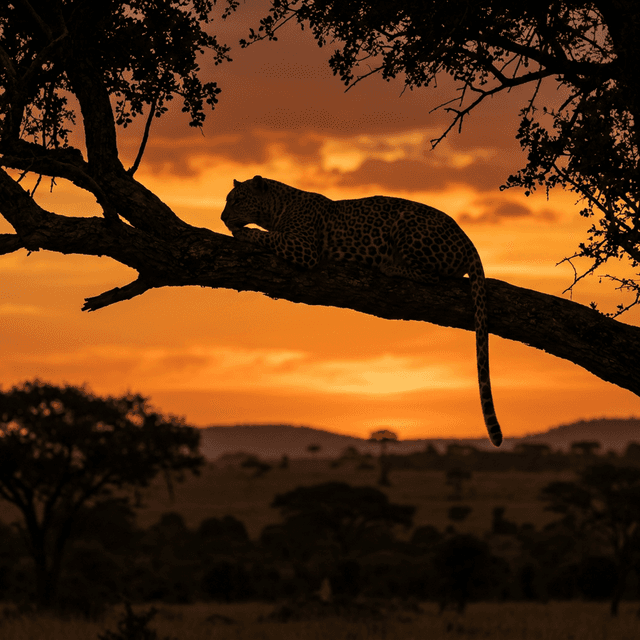
Solid month on riverine fig and sausage-tree corridors — standard circuits cover the productive sectors.
Global Rankings arrow_forward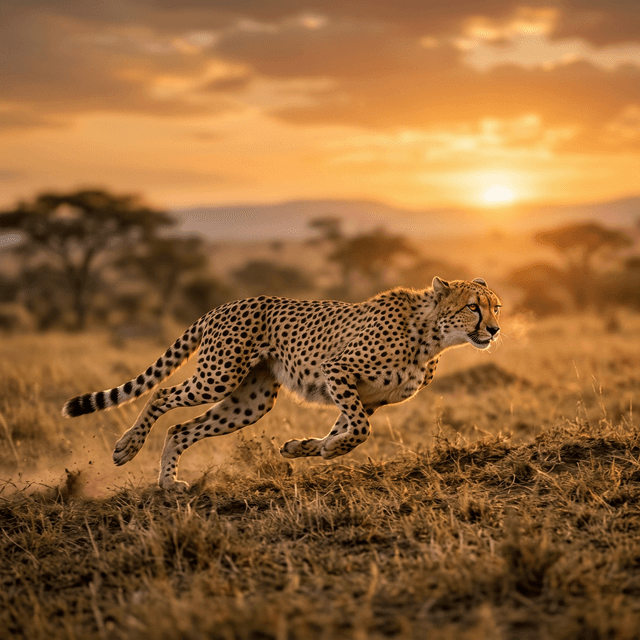
Productive sectors on short-grass hunting plains respond to typical dry-season drive patterns.
Global Rankings arrow_forward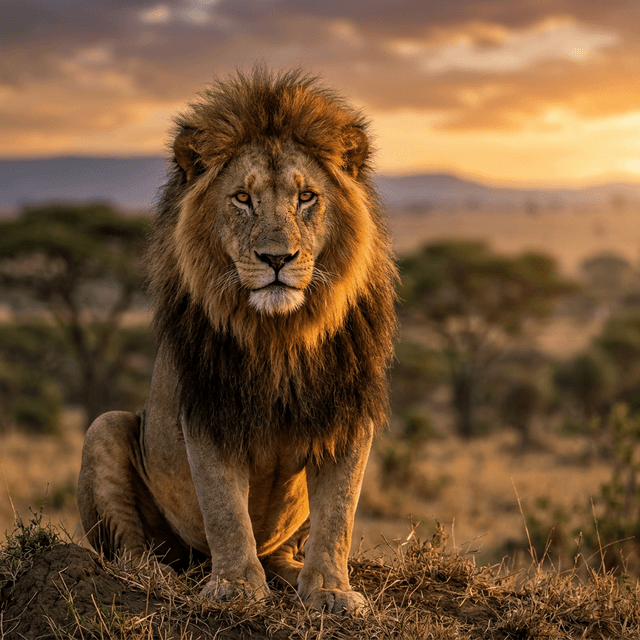
Strong seasonal scores on pride territories along Talek and Musiara — plan around sunrise game drives and accept peak-season vehicle traffic.
Global Rankings arrow_forward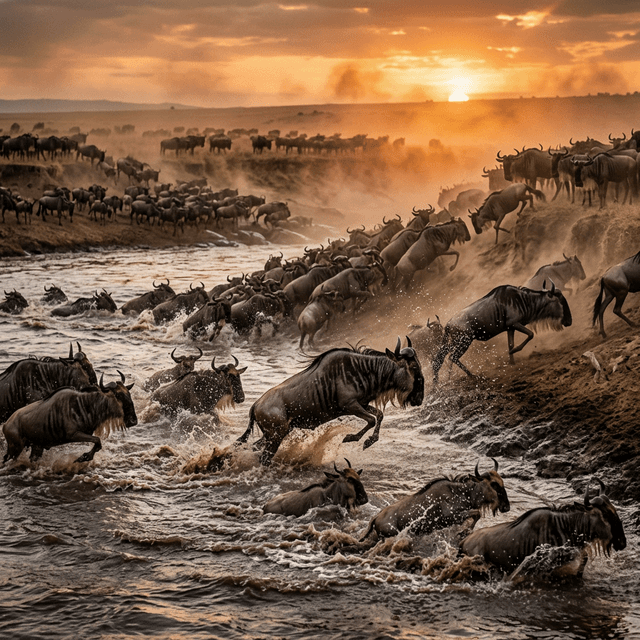
October columns may linger before drifting south — partial presence varies by year.
Global Rankings arrow_forward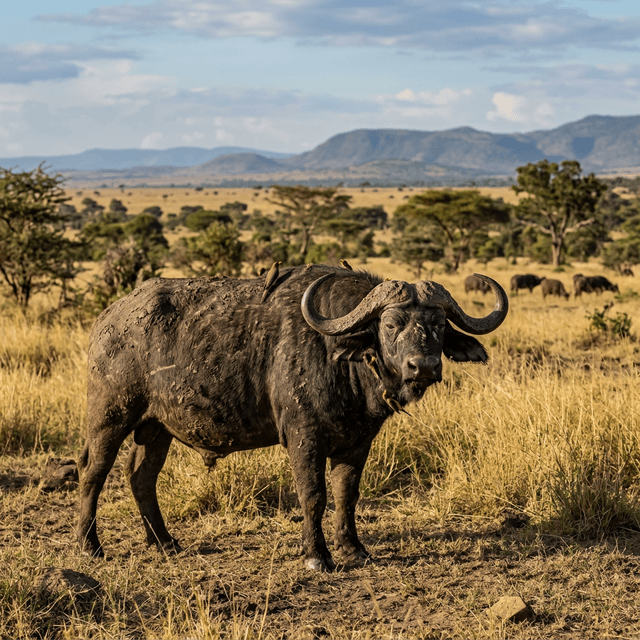
Guide routes on grassland–riverine ecotones match peak-season density this month and accept peak-season vehicle traffic.
Global Rankings arrow_forward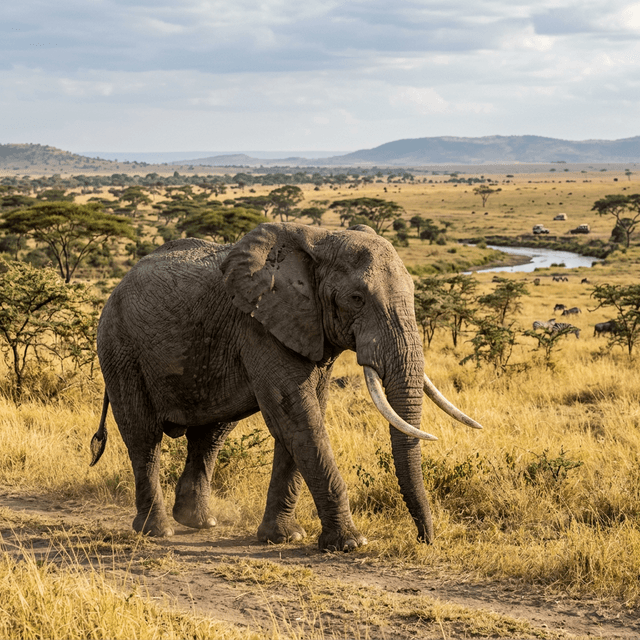
Peak band scores on woodland–grassland corridors — standard lodge drives remain sufficient and accept peak-season vehicle traffic.
Global Rankings arrow_forward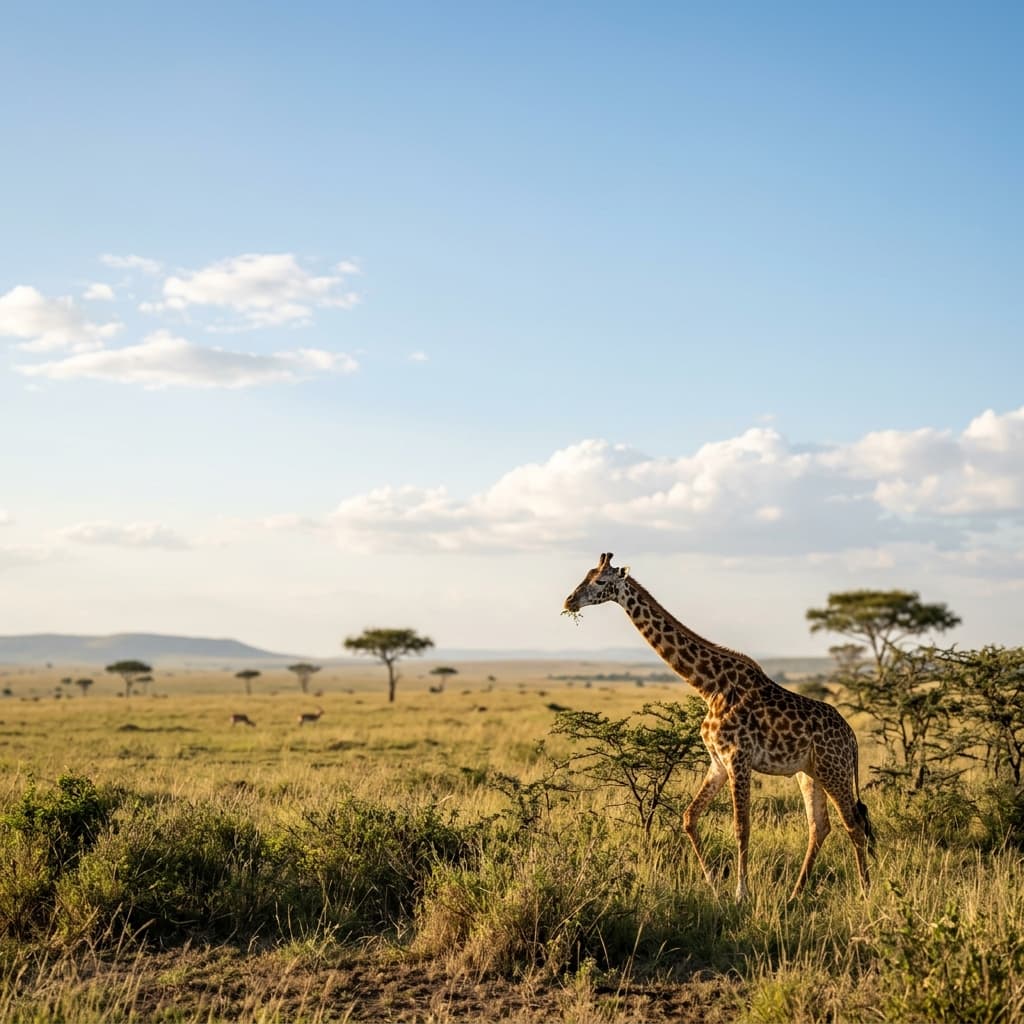
Guide routes on acacia woodland margins match peak-season density this month and accept peak-season vehicle traffic.
Global Rankings arrow_forward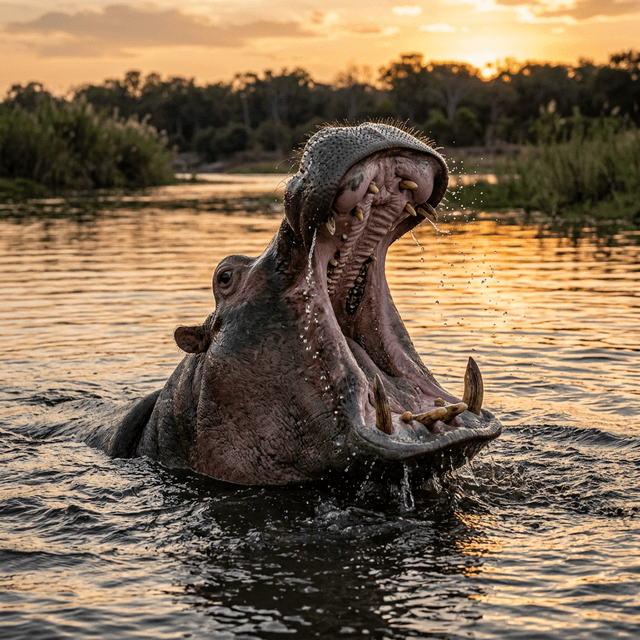
Plan early starts on river pools and bends; afternoon heat often pushes activity down and accept peak-season vehicle traffic.
Global Rankings arrow_forward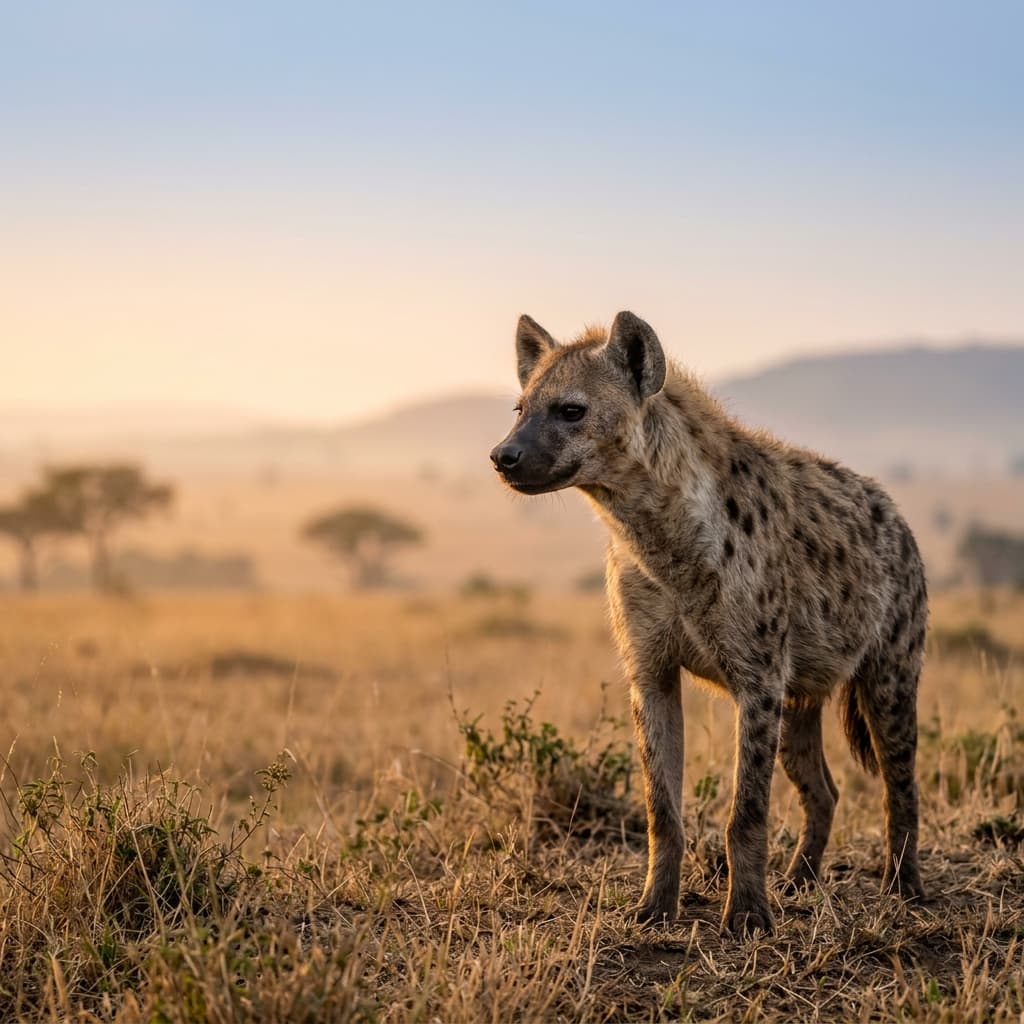
Headline species odds stay high on clan territories near prey concentrations; standard guide circuits cover main sectors and accept peak-season vehicle traffic.
Global Rankings arrow_forwardData: WEI v6 — calibrated seasonal model · How we score
What are similar destinations to Masai Mara National Reserve?
What animals can you see in Masai Mara National Reserve?
Habitat Species
lion
starMara lion prides are among East Africa's most studied; they track migration herds and resident wildebeest on open plains. Apex cap applies — superb odds in peak months, not a zoo guarantee.
zebra
starPlains zebra move with wildebeest; often slightly ahead of the main wildebeest pulse at river approaches. Same sector-matching rules as wildebeest.
cheetah
starOpen short-grass plains suit cheetah hunts; migration months bring prey density but also vehicle congestion. Dawn drives on eastern plains improve odds.
giraffe
starMaasai giraffe browse acacia woodland edges; resident and visible year-round with less migration dependence than wildebeest.
leopard
starRiverine fig trees and drainage lines hold leopards; Musiara and Mara River forests are the classic Mara sweet spots. Midday riverine scans reward patience.
wildebeest
starMigration species on the Kenya side: monthly scores assume correct herd position (Jul–Oct north Mara). Without herds present, scores overstate reality — follow current movement, not the gate name alone.
hippopotamus
starHippo pods occupy Mara River pools and Talek bends; dry months concentrate animals in fewer pools. Midday pool stops are standard on Mara circuits.
spotted hyena
starHigh clan density; dawn and dusk activity spikes around kills and crossing chaos. Migration months increase daytime scavenging visibility.
african buffalo
starBuffalo herds use grassland–riverine ecotones; drought pulls groups toward Mara River. Strong resident anchor species across seasons.
african elephant
starResident elephant groups use woodland–grassland edges; reliable at marsh and river corridors year-round with dry-season concentration at permanent water.
black rhinoceros
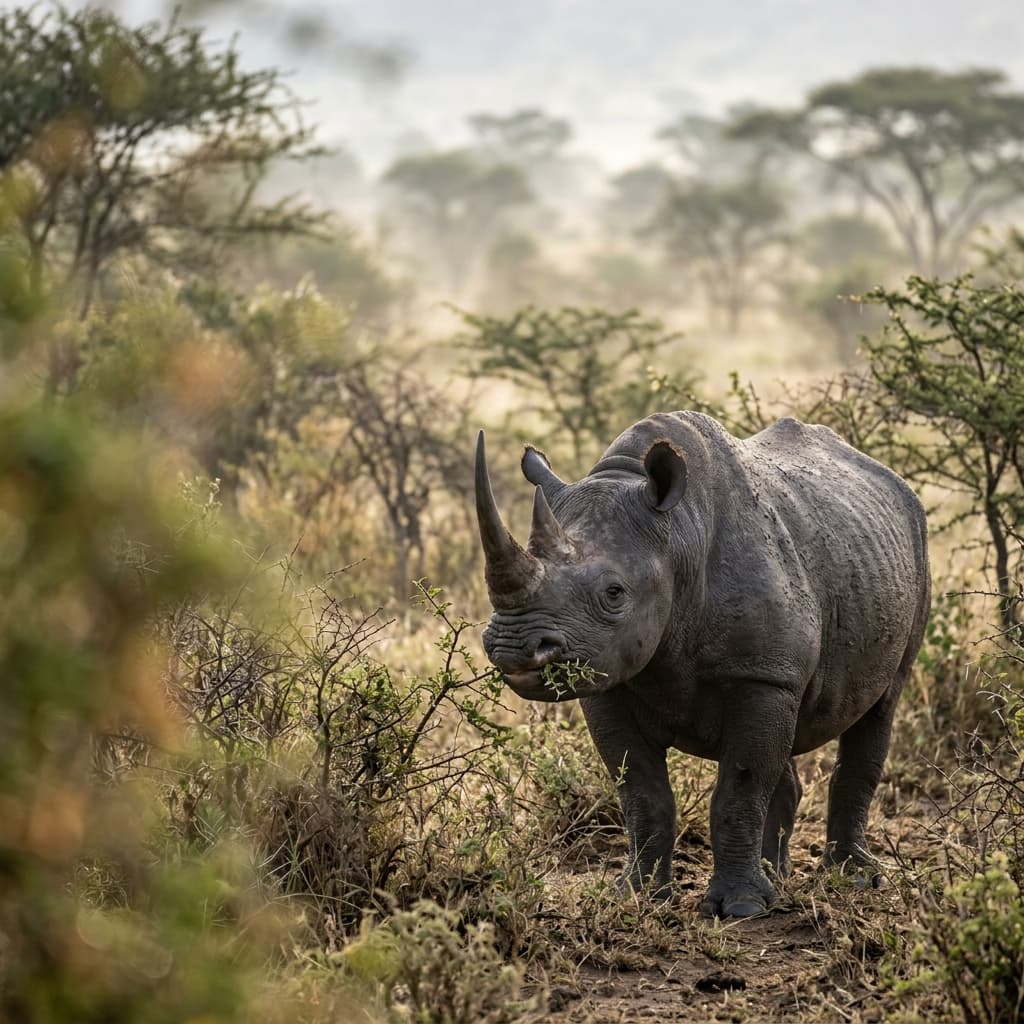
starBlack rhino remain scarce and sector-dependent; some conservancies run guarded rhino zones. Treat every encounter as exceptional — scores reflect possibility, not routine viewing.
thomsons gazelle
starResident short-grass grazer on Mara plains; migration timing matters less than for wildebeest, though predator activity when herds arrive lifts visibility.
Why visit Masai Mara National Reserve
for a safari?
The Mara River crossings make migration timing the calendar that defines a Kenya safari. Compare monthly WEI scores, species rankings, and migration timing for Masai Mara National Reserve, Kenya — linked to the Serengeti migration circuit.