Best Time for Wildlife in
Kruger National Park
Kruger National Park scores 90/100 on the Wildlife Encounter Index in Aug, driven by Lion sightings.
Best window for wildlife: Jul–Sep. ParksCore composite score: 77/100.
Self-drive access meets Big Five density — waterhole timing beats brochure seasonality.
Country
South AfricaRegion
limpopo mpumalanga
Total Area
19,485 km²
Status
Protected Area System
Primary Focus
Big Five
Peak month
Aug
Best Season
Jul–Sep
Sources
Sources not yet checked against our source standard
When is the best time to visit Kruger National Park for wildlife?
The best time to visit Kruger National Park is Jul–Sep — peak WEI score 90/100 in Aug.
Kruger National Park is one of Africa's most accessible Big Five destinations, with self-drive roads, rest camps, and year-round wildlife. Dry winter months concentrate animals at waterholes, improving elephant, buffalo, and predator visibility. Wild dog and cheetah remain special sightings requiring sector-specific routes. July and August mark the peak dry-season window. Sector choice — southern basalt plains, central Satara grasslands, or northern river loops — matters more than a brochure month. Kruger is not a migration park; dry-season waterhole logic drives the calendar. Scores describe probability, not promises. See our Serengeti page for contrast.
Oct Score
high Rating
Probability Breakdown
Deep Context
“October is the transition month: first thunderstorms may appear, grass greens, and animals begin dispersing away from concentrated water points. A strong month (WEI ~81.3) but with more variability than July–August. Good compromise between viewing quality and camp availability.”
Monthly Viewing Probabilities
Wildlife sighting probabilities in Kruger National Park. Select a month to see the expected encounter rates.
Monthly sighting probabilities for each species from our calibrated seasonal model.
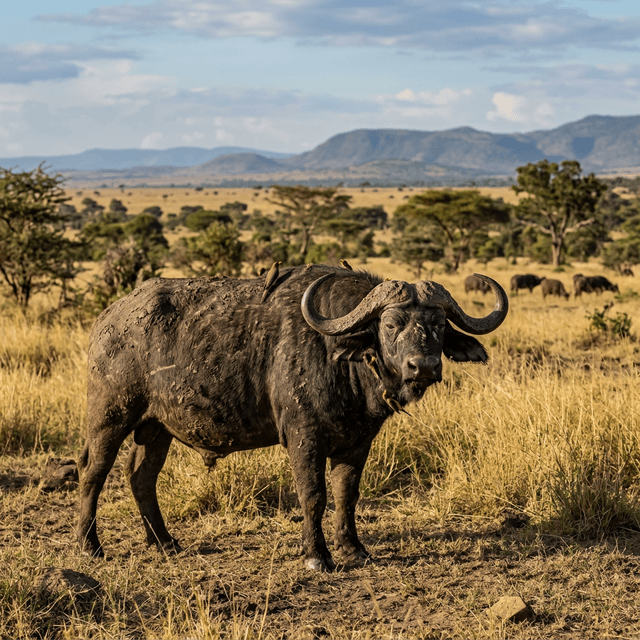
October rains begin to scatter herds; morning drives on basalt plains catch last dry-season concentrations.
Global Rankings arrow_forward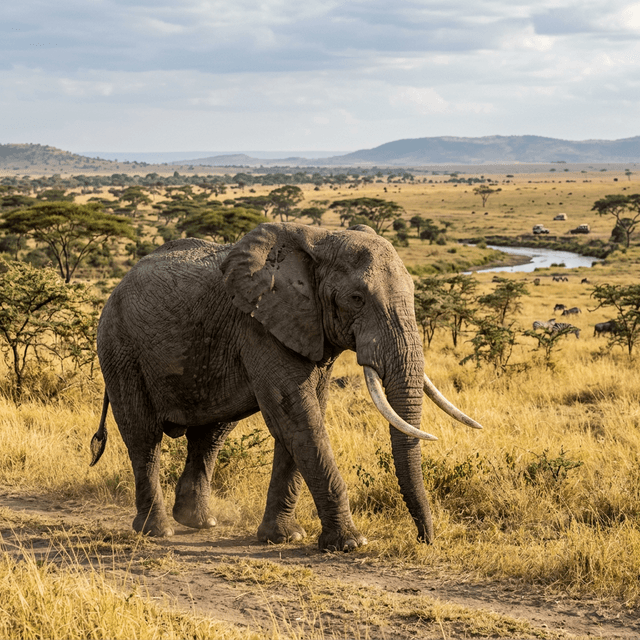
October first storms begin dispersal; elephants range wider but major rivers remain anchor points.
Global Rankings arrow_forward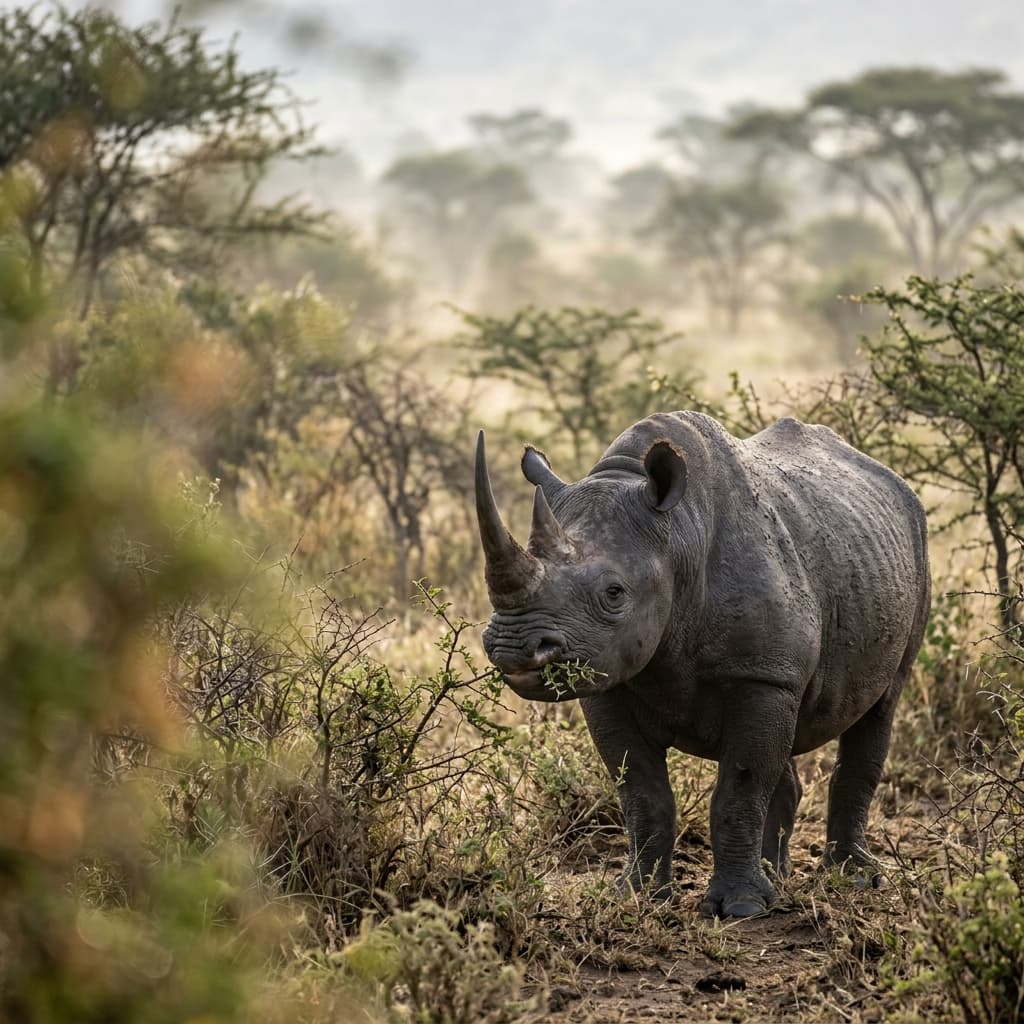
October green-up reduces odds; do not plan travel around rhino in this month.
Global Rankings arrow_forward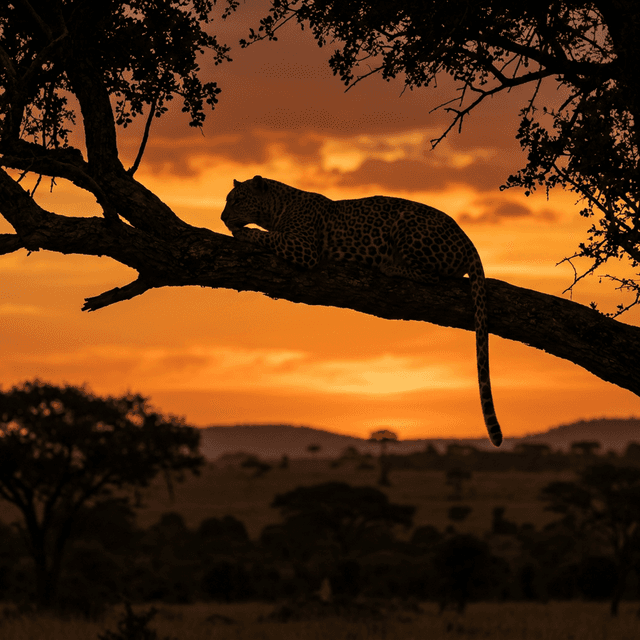
October thunderstorms refill pools; leopards patrol muddy game paths at forest–savanna edges.
Global Rankings arrow_forward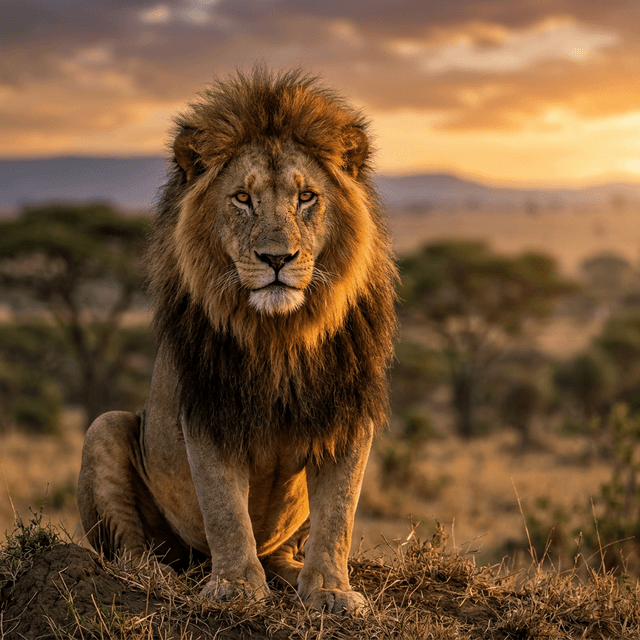
October first rains disperse prey; lions shift to woodland ambush sites along Crocodile Bridge corridors.
Global Rankings arrow_forward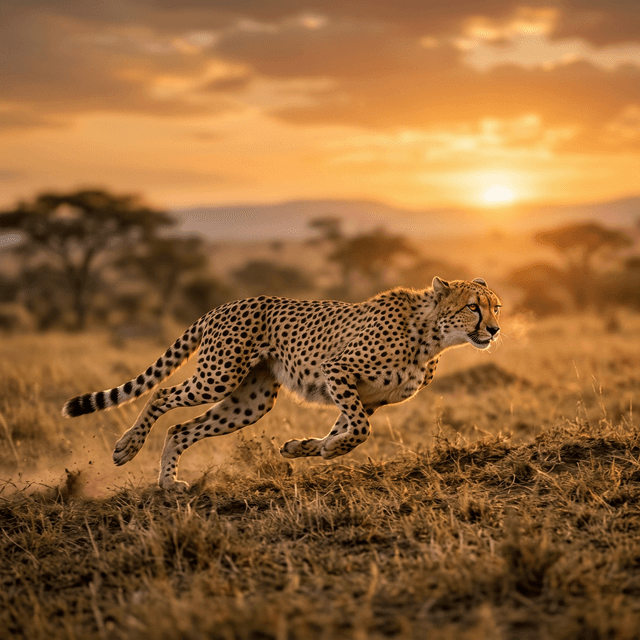
October green-up begins; cheetah shift to mown firebreak edges — scan before afternoon storms.
Global Rankings arrow_forward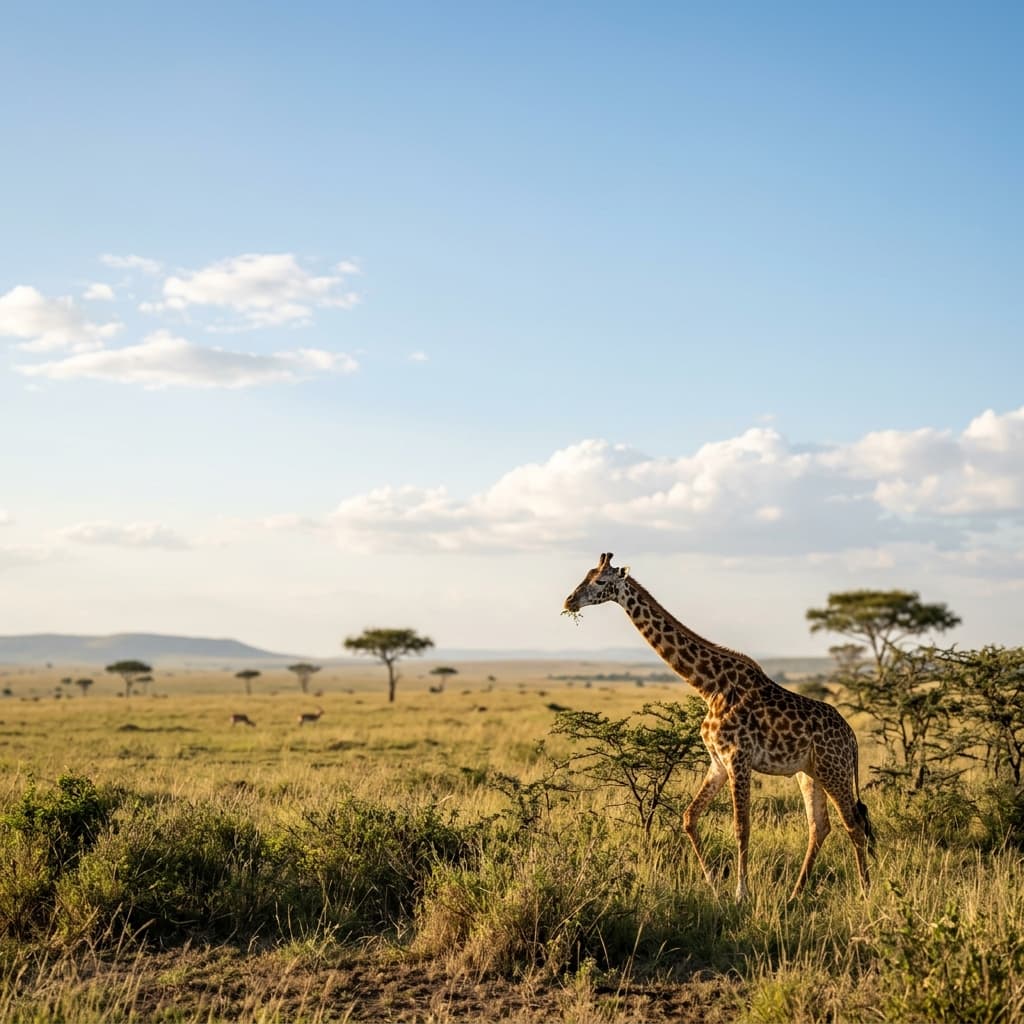
October new leaf growth spreads giraffe; morning drives on woodland edges remain productive.
Global Rankings arrow_forward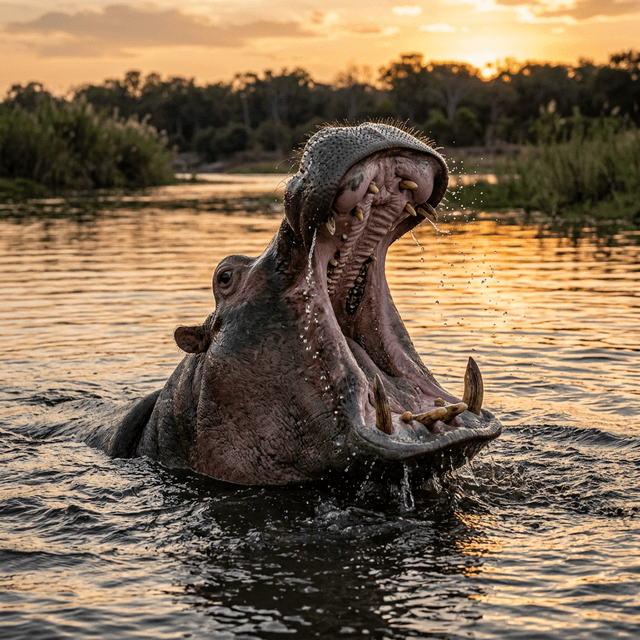
October first rains refill side channels; hippos spread slightly but major pools stay reliable.
Global Rankings arrow_forward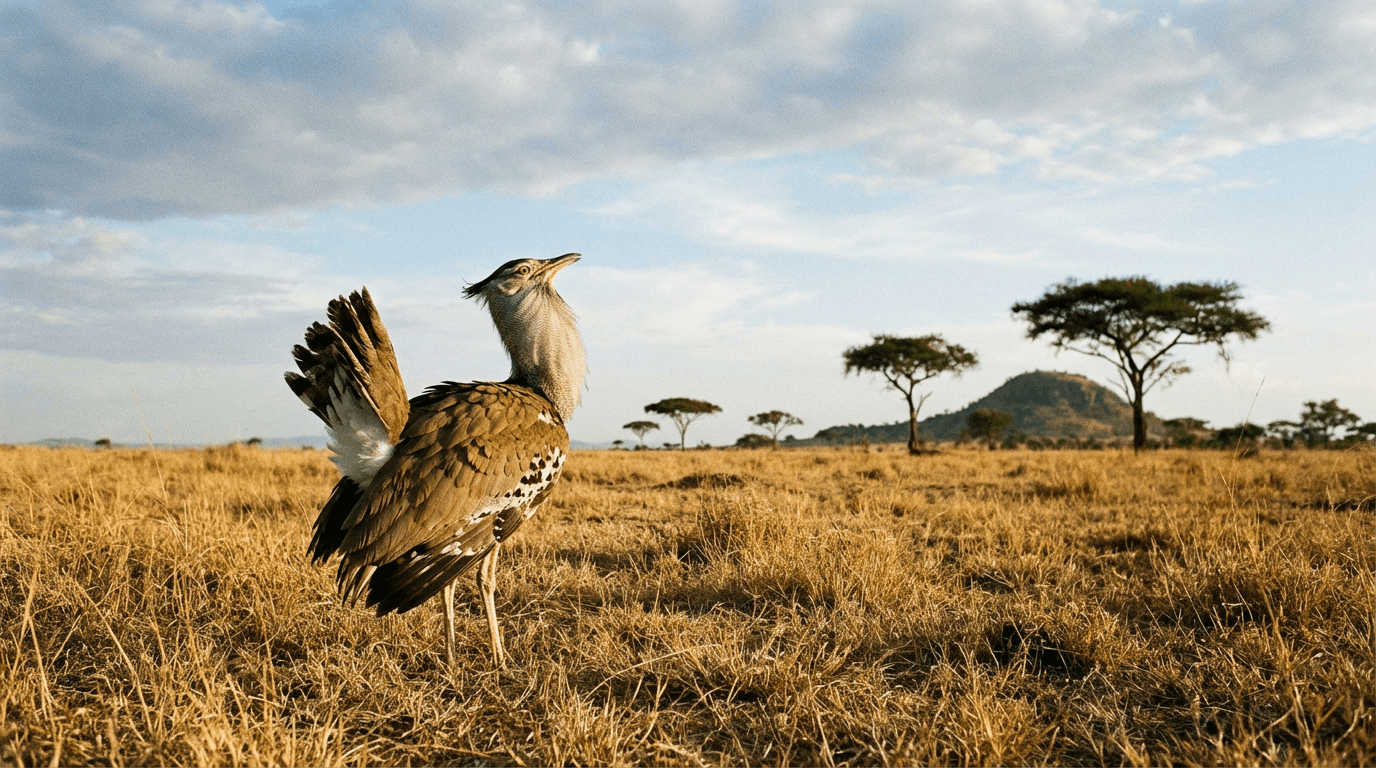
October green-up reduces bustard odds; scan mown edges near camp access roads.
Global Rankings arrow_forward
October first rains raise river levels; crocs remain at weirs where current concentrates fish.
Global Rankings arrow_forwardData: WEI v6 — calibrated seasonal model · How we score
What are similar destinations to Kruger National Park?
What animals can you see in Kruger National Park?
Habitat Species
lion
starKruger holds one of Africa's largest lion populations; prides use river corridors and open basalt plains. Apex cap applies: excellent dry-season odds, not a zoo-like certainty.
cheetah
starCheetah prefer open short-grass plains in southern and central Kruger; they are present but outnumbered by lion. Dry months improve visibility on basalt flats — scan termite mounds at dawn.
giraffe
starGiraffe browse acacia woodland edges across the park; less water-dependent than buffalo but easier to spot when dry-season thinning opens sightlines into woodland.
leopard
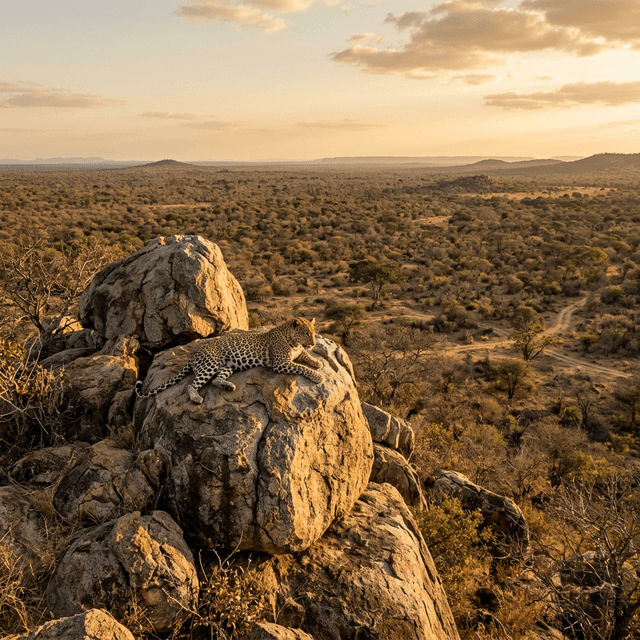
starLeopards favour riverine thickets and rocky kopjes; dusk drives along the Sabie and Luvuvhu improve odds. Kruger leopard density is respectable but sightings stay shy compared with lion.
hippopotamus
starHippo pods occupy Sabie, Olifants, and Luvuvhu pools year-round; dry months concentrate animals in fewer pools. Standard midday stops at river viewpoints are productive.
kori bustard
starKori bustard — Africa's heaviest flying bird — walks open grassland and firebreak edges. Dry months improve spotting on short-grass firebreaks near Satara and central basalt plains.
spotted hyena
starHyena clans are widespread; dawn and dusk activity peaks near kills and waterholes. Dry-season lion–buffalo interaction zones increase scavenging visibility.
nile crocodile
starLarge crocodiles bask on Sabie and Olifants banks; reliable in all months with peak sun exposure in dry winter when river levels drop and banks widen.
african buffalo
starLarge herds graze open savanna and drink at permanent water; dry months produce impressive congregations near rivers. Buffalo herds attract lion — scan mixed-species groups carefully.
african elephant
starBreeding herds use woodland–grassland ecotones year-round; dry winter pulls large groups to rivers, dams, and weirs. Reliable anchor species for self-drive itineraries.
black rhinoceros
starBoth rhino species occur in Kruger; black rhino are scarce, shy, and security-sensitive. Treat every encounter as exceptional — scores reflect low probability, not routine viewing. Avoid sharing exact locations publicly.
African wild dog packs roam large home ranges — southern Kruger generates the most frequent reports, but movements are irregular. A high score month means conditions help, not that packs are on schedule.
Why visit Kruger National Park
for a safari?
Self-drive access meets Big Five density; waterhole timing beats brochure seasonality. Compare monthly WEI scores, species rankings, and dry-season timing for Kruger National Park, South Africa: self-drive Big Five viewing with waterhole-led seasonality.